Selecting the right roosting house for backyard birds requires considering shelter, predator protection, ventilation, and easy cleaning. The following picks represent a mix of cedar, recycled plastic, and natural materials designed to support winter roosting, nesting, and safe perching for common American songbirds and small woodpeckers. Each option emphasizes durability, weather resistance, and bird welfare, helping you create inviting refuges year-round.
| Product | Key Feature |
|---|---|
| Wild Wings WWCH3 Cedar Blue Bird Box House | Ventilated design with clean-out access and internal climbing grooves |
| Cedar Alpha Premium 2pk Bluebird Houses | Large bluebird-ready nesting space; premium cedar construction |
| Small Winter Roost Bird House – Coveside | Insulated winter shelter with slate predator guard and internal perches |
| Kingsyard Recycled Plastic Bird House | Durable, weatherproof, predator guard, and breathable ventilation |
| Songbird Essentials Hanging Grass Roosting Pockets | All-natural materials with roosting pockets for non-migrating songbirds |
Below are detailed product sections to help you compare forms, materials, and features at a glance. Each entry includes a concise highlight of what makes it suitable for roosting and nesting in American backyards.
Wild Wings Cedar Blue Bird Box House

The Wild Wings WWCH3 blends cedar durability with practical roosting features. It includes air vents through wall and floor openings to maintain airflow and reduce humidity, an accessible clean-out door for post-brood maintenance, and interior grooves just below the entry hole that help young birds climb and peer outward. This design supports small to mid-sized cavity nesters and is suitable for placement on trees or posts in American yards, particularly in cooler months when roosting comfort matters.
Cedar Alpha Open Nesting Box Set

This two-pack from Cedar Alpha features a large open nesting box and a shelf-style nesting area with a built-in suet cake feeder option. Crafted from premium cedar, the set is designed for cardinal, blackbird, robin, and other common garden species. The all-American construction emphasizes weather resistance and suitability for hanging or mounting on fences or poles. It’s a practical choice for homeowners seeking a combined nesting and feeding solution.
Small Winter Roost Bird House – Coveside
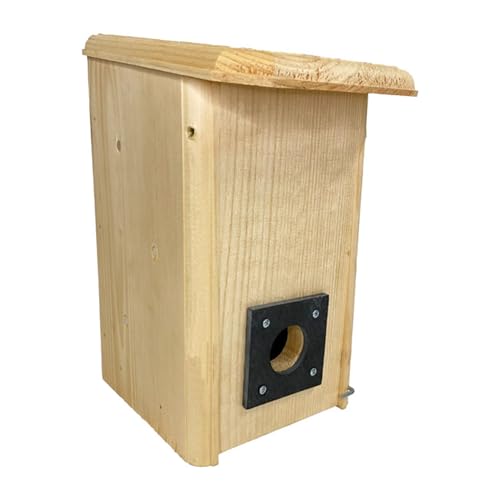
Designed specifically for winter roosting, this insulated pine roosting box includes three internal perches to accommodate six or more birds at once, promoting warmth through group roosting. A natural slate predator guard protects the entrance, helping to deter enlargements by squirrels and other critters. This model suits wrens, chickadees, titmice, and bluebirds, making it a versatile backyard shelter during cold months and a nesting space in spring.
Premier 2pk Bluebird Houses by Cedar Alpha
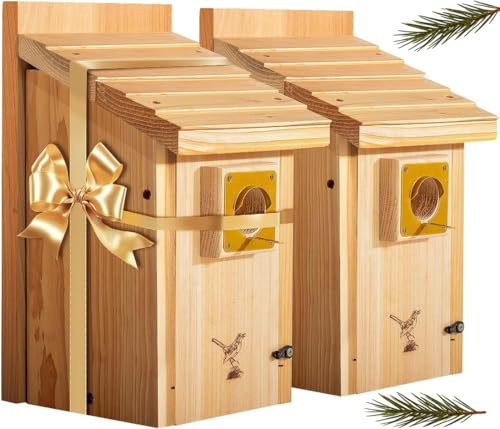
The 2026 updated version from Cedar Alpha emphasizes a large interior space with a 1.5″ entrance suitable for Eastern Bluebirds and other cavity nesters. The package includes two robust cedar nests with a roomy interior and a classic, weatherproof exterior. This option is ideal for homeowners focused on bluebird conservation and reliable year-round use in outdoor settings, including walls, posts, or garden structures.
Mounted Downy Woodpecker Nest House – Coveside
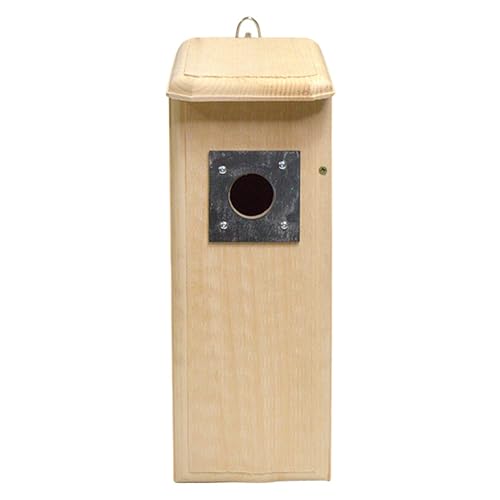
Specially built for Downy Woodpeckers, this handcrafted pine birdhouse offers a purpose-built nesting and roosting space. It includes a slate guard against predators and a wood-chip fill to mimic natural cavities, helping birds settle quickly. The box’s dimensions and design support year-round use, with a focus on durability in outdoor climates of eastern regions.
Songbird Essentials Hanging Grass Roosting Pockets

These roosting pockets combine natural reed grass with cedar components, offering a warm, protective environment for non-migrating songbirds during winter. The rough interior helps nesting materials cling and provides easy entry and exit for small species. The design emphasizes environmental friendliness and resilience against premature decay, with some metal staples reinforcing roofed models for added durability.
Buying Guide: Key Purchase Considerations
- Material durability: Cedar is naturally resistant to decay and insects, while recycled plastic offers weatherproof longevity. Choose based on climate, maintenance comfort, and desired aesthetics.
- Ventilation and insulation: Ensure adequate ventilation to prevent overheating or moisture buildup. Insulation helps during winter roosting but must be balanced to avoid overheating in summer.
- Predator protection: Predator guards, bite-proof entrances, and slate or metal guards deter squirrels and larger birds from enlarging entries and causing nesting failures.
- Entrance hole size: Match hole diameter to target species. Larger holes attract bigger cavity nesters; smaller holes deter larger predators while still inviting appropriate birds.
- Cleaning access: Models with clean-out doors simplify annual maintenance, helping reduce disease risk and prolonging nesting site usability.
- Placement and mounting: Consider mounting height, exposure to prevailing winds, and proximity to feeders. Some nests are pole-mountable, others are wall-mounted or tree-hung.
- Maintenance frequency: Cedar and wood models typically require occasional sealing or painting, while recycled plastic requires less routine upkeep but may be less inviting to some birds for nesting material adherence.
- Bird compatibility: Some products are designed for bluebirds, robins, wrens, or woodpeckers. If a mixed-species yard is your goal, choose versatile designs or a mix of species-specific options.
When selecting roosting or nesting houses, balance durability with suitability for your local avian population. A combination of insulated winter roosts and accessible nesting boxes can support birds year-round, from early spring through late fall. Consider installing a few options at varying heights and orientations to maximize occupancy and reduce competition among species.