Cucumbers thrive with balanced nutrition that supports vine vigor, flowering, and fruit development. The following five products are selected for their cucumber-focused formulations, micronutrient content, and evidence of fast-acting results. Whether growing in a greenhouse, garden bed, or containers, these plant foods help optimize leaf growth, root strength, and high-yield fruit production.
Summary of Selected Products
| Product | Brand | Key Benefit |
|---|---|---|
| Liquid Power Cucumbers Fertilizer | Gardenera | Low pH formula to unlock micronutrients; enhances vine growth and fruiting |
| Happy Cucumber Fertilizer | Ludicrous Nutrients | 5-4-7 NPK with calcium for rapid growth and blossom-end decay prevention |
| Leaves and Soul Professional Liquid Cucumber Fertilizer | Leaves and Soul | 5-1-5 blend for robust growth and versatile use |
| Greenway Biotech Cucumber Fertilizer 8-16-36 | Greenway Biotech, Inc. | High phosphorus and potassium for strong roots and fruit set |
| Silica for Plants – Liquid Plant Silica | GARDENWISE | Silica + humic acid for stronger stems and better resilience |
Gardenera Liquid Power Cucumbers Fertilizer

Gardenera’s Liquid Power Cucumbers Fertilizer is designed to boost cucumber productivity across slicing, pickling, and greenhouse varieties. The formula emphasizes vine growth, flowering, and high-yield fruiting with a purpose-built blend that supports all cucumber types. The product’s low pH helps release locked micronutrients, particularly essential for lush vines and vibrant fruit. This facilitates faster nutrient uptake and can improve overall plant resilience in varied growing conditions.
Key features include a precise NPK balance to support leaf development, root and flower strength, and consistent fruit setting, supplemented by organic acids that aid absorption and soil health. The 8 oz concentrate is suitable for both indoor and outdoor use, making it versatile for home gardens and more controlled environments alike. Gardeners may notice enhanced foliage vigor and steadier fruit production as the season progresses.
Considerations: Monitor soil pH and micronutrient levels when using a low-pH product over extended periods. While effective for cucumbers, combining with a calcium-rich feed during fruit set can help further reduce blossom-end issues in some varieties.
Happy Cucumber Fertilizer by Happy Nutrients

This cucumber-focused mix from Ludicrous Nutrients emphasizes rapid, visible responses from cucumber plants. The product is marketed for cucumbers, zucchini, pumpkins, squash, and gourds, offering a fast-acting NPK blend (5-4-7) plus a calcium boost to help prevent blossom-end decay. The emphasis on nitrogen supports rapid vegetative growth, while phosphorus supports root and flowering strength, and potassium promotes fruit production. The calcium addition aids in maintaining fruit firmness and reduces common cucumber issues related to calcium deficiency.
Usage considerations include applying during early growth and continuing through fruiting to sustain vigor. The formulation is designed to deliver quick results, but regular feeding and proper watering are essential to prevent nutrient burn or rapid fluctuations in soil chemistry. For best results, pair with consistent irrigation and monitor for nutrient balance as plants mature.
Leaves and Soul Professional Liquid Cucumber Fertilizer

The Leaves and Soul 5-1-5 concentrate is formulated for a broad range of vegetables, including cucumbers. This versatile liquid fertilizer targets robust growth, strong root systems, and vibrant harvests. Its balanced NPK profile supports leaf development and root vigor, while maintaining readiness for fruiting stages. The product emphasizes high-quality ingredients and a nutrient-rich blend designed to promote healthy foliage and steady production through multiple growth phases.
Gardeners may appreciate its compatibility across seedling and mature plant stages, ensuring cucumber plants receive consistent nutrition. As with any fertilizer, gradual application and monitoring of plant response help prevent nutrient imbalances. This product is positioned as a reliable, multi-use option that supports cucumber health alongside other garden crops.
Greenway Biotech Cucumber Fertilizer 8-16-36

Greenway Biotech’s cucumber fertilizer features an 8-16-36 N-P-K ratio, prioritizing phosphorus and potassium to strengthen roots, flowers, and fruit production. The formula is designed for soil, hydroponics, and aeroponics, making it adaptable to different growing systems. It is enriched with micronutrients—iron, manganese, zinc, copper, boron, and molybdenum—to support robust growth and high-quality fruit development. The product’s water-soluble format allows for easy mixing and uniform distribution across crops.
With a focus on nutrient-dense produce, this fertilizer helps ensure cucumbers and related crops accumulate essential minerals in leaves and fruit. Gardeners should consider satellite soil tests to tailor application rates and avoid over-fertilization, particularly in high-nutrient environments or in containers with limited drainage. The product is offered in different weight options to accommodate various garden sizes and needs.
Greenway Biotech Cucumber Fertilizer 8-16-36 (2 Pounds)
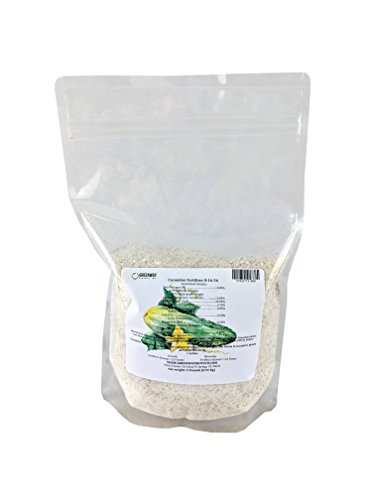
This larger package from Greenway Biotech offers the same 8-16-36 formulation in a heftier supply, suitable for bigger plots or frequent use across multiple growing cycles. The emphasis on phosphorus and potassium continues to support root development, flowering, and fruiting, while micronutrients help maintain overall plant health. The 2-pound size provides a cost-effective option for serious cucumber growers who want consistent access to a high-quality nutrient blend.
Considerations include ensuring adequate dilution and even distribution, especially in hydroponic and aeroponic setups where precise dosing matters more. Regular monitoring of plant response will help optimize feeding schedules and prevent potential nutrient buildup in irrigation reservoirs.
Silica for Plants – Liquid Plant Silica
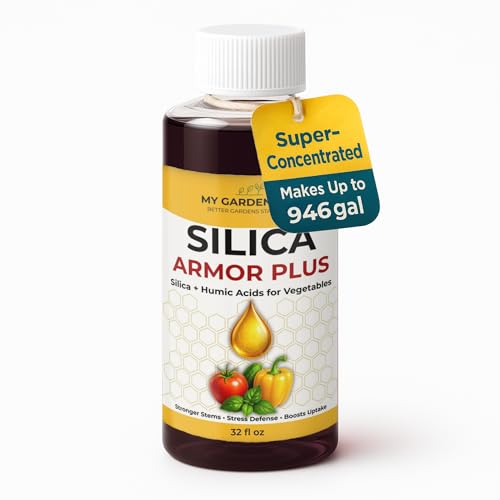
Silica for Plants combines potassium silicate with humic acid to support cell-wall strength, nutrient availability, and root performance. This additive is marketed for vegetables including cucumbers, peppers, and leafy greens, with the potential to improve stem rigidity and overall plant resilience to heat, drought, and handling. Being a supplemental product, it is typically used in conjunction with a primary fertilizer program to provide an extra layer of structural support for vigorous vining crops like cucumbers.
Usage guidelines suggest small, regular doses to avoid any mineral buildup, particularly in high-pH soils. In cucumbers, stronger stems can reduce lodging risk and support heavier fruit loads, especially in windy or container-grown environments. Silica products can be a valuable part of a comprehensive cucurbit care plan when combined with balanced NPK fertilizers.
Note: Always follow label directions for dilution and compatibility with other fertilizers. When integrating silica with other nutrient solutions, stagger applications to monitor plant response and prevent potential nutrient antagonism.
Buying Guide: Key Purchase Considerations
- Crop-specific vs multi-crop formulations: For cucumbers, products labeled specifically for cucumbers or cucurbit family often emphasize root and fruit development, while multi-crop blends offer broad coverage but may be less targeted.
- NPK balance: A mix high in phosphorus and potassium (e.g., 8-16-36) supports root strength and fruiting. A balanced blend (around 5-5-5 to 7-4-10) can work well for varied stages, especially for beginners.
- Micronutrients: Look for iron, zinc, manganese, boron, and molybdenum to prevent micronutrient deficiencies that can hinder growth and fruit quality.
- pH impact: Some formulations lower soil pH to unlock micronutrients. Monitor soil chemistry to avoid unintended imbalances, particularly in pH-sensitive soils.
- Form: Liquid concentrates are easy to mix and apply through irrigation systems or foliar spray. Water-soluble powders offer flexibility for various irrigation methods but require accurate mixing.
- Application method: Consider whether the product is suitable for soil feeding, hydroponics, or foliar applications. Some cucumbers benefit from split applications during vegetative and fruiting stages.
- Calcium and blossom-end decay prevention: Cucumbers can benefit from calcium additives to reduce blossom-end rot in some varieties, especially in high-moisture environments.
- Silica and plant resilience: Silica products strengthen stems and tissues, which can be advantageous in hot climates or high-wind conditions.
- Container vs in-ground: For container gardens, choose products that are easily dissolved and do not require heavy-solids residues. In-ground beds may tolerate slower-acting blends with long-term benefits.
- Cost and package size: Larger packages offer better value for frequent use, but ensure you have the means to store and measure concentrates properly to avoid waste.
In choosing a cucumber-focused fertilizer, consider your growing system, climate, and the growth stage of your plants. Combining a reliable cucumber-specific feed with silica for structural strength and a calcium-forward mix during fruiting can help maximize yields while maintaining fruit quality. Regular soil or solution checks, steady irrigation, and adherence to label directions will support consistent, productive cucumber growth across seasons.