Farmers, homesteaders, and backyard growers rely on dependable tiller attachments to prepare soil, control weeds, and improve seedbeds. This guide highlights five strong options that pair with a tractor’s three-point hitch or PTO system. Each selection emphasizes durability, ease of use, and effective soil manipulation, helping you choose the best tiller attachment for your tractor setup.
| Product | Brand | Key Benefit |
|---|---|---|
| Titan Attachments Cultivator with 6 Spring Steel Shanks 3 Point Quick Hitch | Titan Attachments | Adjustable width and depth; quick hitch compatible |
| Sigma Heavy Duty 3 Point Rotary Tiller 4′ FT | POWER PRODUCTS | Compact, PTO-driven gear box; solid tilling performance |
| Sigma Heavy Duty 3 Point Rotary Tiller 5′ FT | POWER PRODUCTS | Wider working width for larger plots; robust gear drive |
| AUTOSAVER88 28″ Disc Plow Harrow | AUTOSAVER88 | Universal hitch; subsoiling and soil leveling |
| YINTATECH 28″ Disc Plow Harrow with 2″ Receiver | YINTATECH | Tow-behind versatility; easy mounting |
Titan Attachments Cultivator With 6 Spring Shanks

The Titan 3Pt Cultivator is designed for garden preparation, aerating soil, and breaking up weeds. Its six spring steel shanks allow the operator to tailor the depth and soil disturbance for smaller plots or homestead farming. The unit excels at incorporating chemicals and fertilizers while minimizing topsoil disruption. A key advantage is adjustable working width, enabling 18 to 40 inches of reach to fit tight beds or broader rows. This cultivator is marketed as quick hitch compatible, enabling fast attachment to compatible tractors and easier field prep around a garden or small acreage.
Features highlight a practical approach to soil conditioning. The adjustable depth helps achieve consistent results across soil types. Quick hitch compatibility simplifies mounting, reducing downtime between tasks. The Titan cultivator is positioned as a versatile option for garden beds, weed control, and pre-plant soil conditioning. While it is optimized for smaller plots, it offers enough width and depth control to be useful in diverse setups.
Sigma Heavy Duty 3 Point Rotary Tiller 4′ FT

This Sigma rotary tiller offers a compact, PTO-driven gear drive with a heavy-duty cast iron gearbox. A 4-foot working width supports mid-sized plots, allowing efficient soil mixing and bed preparation. The maximum depth of cut is listed at about 6 inches under ideal conditions, with the skid plate reducing resistance and clearing debris. The depth is ultimately influenced by soil conditions and blade configuration, so operators should account for soil moisture and density when planning tilled beds. This model is suitable for CAT I 3-point hitches on non-compact tractors within the 20-35 HP range.
Key considerations include blade arrangement, soil type, and operator experience. The gearbox and build quality are central to durability, particularly when tilting through rocky or compacted soils. Users should ensure proper PTO speed and adherence to manufacturer guidelines for safe operation. This tiller emphasizes consistent performance with a straightforward setup for expanding garden rows or preparing seedbeds.
Sigma Heavy Duty 3 Point Rotary Tiller 5′ FT
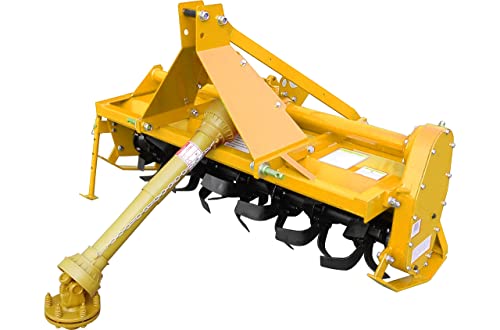
This larger Sigma tiller expands the working width to 5 feet, enabling broader bed preparation and faster turnaround on bigger plots. Like the 4-foot model, it features a PTO-driven gear box designed for robust performance and a maximum estimated depth of 6 inches under favorable conditions. The wider footprint increases material movement and can handle more challenging soils when used with a compatible CAT I hitch and appropriate tractor horsepower (24-45 HP range). It shares the same note about tillage depth being affected by blade configuration and soil conditions.
Operators should consider field layout, tractor PTO capabilities, and draft resistance when choosing between 4′ and 5′ tillers. The 5′ model provides improved productivity for farms or larger gardens, but may require additional horsepower and better-ground clearance to avoid striking obstacles. Both Sigma units emphasize sturdy construction and consistent tilling action for productive soil mixing and bed preparation.
AUTOSAVER88 28″ Disc Plow Harrow

The AUTOSAVER88 disc plow harrow provides a versatile tow-behind option for subsoiling, leveling, and soil break-up. It uses a universal 2″ hitch receiver compatible with various tractors, ATVs, and UTVs, making it a flexible choice for different platforms. The unit’s construction uses a high-strength carbon steel alloy with powder coating for rust resistance and durability in dusty or wet field conditions. An adjustable height range from roughly 13.7″ to 21.1″ helps match the harrow to soil conditions and crop requirements. The product description notes easy assembly and mounting, designed to save time during transport and setup.
Use cases include preparing soil surfaces, breaking up compacted subsoils, and providing a smoother seedbed. Its plow harrow design helps cut through tougher patches and level irregularities, which can improve subsequent tillage or planting operations. When selecting a disc harrow, consider hitch compatibility, ground clearance, and the ability to adjust working height for varying field profiles.
YINTATECH 28″ Disc Plow Harrow

The YINTATECH disc plow harrow similarly offers a 28-inch working width with a universal 2″ receiver for easy tow-behind operation. It emphasizes adjustable height in the same general range as other harrows, enabling efficient subsoil work and leveling. The device is described as compatible with ATV/UTV models and simple to mount, with a design focused on straightforward assembly and removal when not required. This harrow provides a practical option for users who want a versatile implement to subsoil, level, and condition soil with minimal setup.
Buying Guide: Key Purchase Considerations
- Soil and plot size: Smaller gardens benefit from adjustable-width cultivators like the Titan or 4′ Sigma tillers, while larger plots may justify a 5′ tiller for higher productivity.
- Tractor compatibility: Ensure correct hitch type (3-point CAT I or II, sleeve hitch, or tow-behind) and PTO compatibility. Quick hitch options can reduce mounting time.
- Depth and width control: Look for units with adjustable working width and depth to tailor performance to soil conditions and crop needs. A skid or skid plate can influence resistance and debris clearance.
- Durability and build quality: Heavy-duty gearboxes (cast iron or robust steel) and corrosion-resistant finishes extend life in field conditions. Powder coating improves rust resistance.
- Maintenance and serviceability: Open-air components and accessible grease points simplify maintenance. Check warranty terms and availability of replacement parts.
- Attachment versatility: Disc harrows and plows offer subsoiling and leveling advantages, complementing tillers for soil preparation. Consider whether you need a purely tilling tool or a combination attachment for broader tasks.
- Ease of installation: Quick hitch compatibility and documented mounting instructions reduce downtime and improve safety during setup and removal.
Performance Perspectives
- Productivity vs. maneuverability: Wider tillers cover more ground but may require more horsepower and precise operation to avoid soil compaction. Narrow tools offer precision for beds and plots with tight corners.
- Soil conditions: Wet or rocky soils affect tillage depth and gear strain. Choose equipment with adjustable depth and robust gearboxes to accommodate variability.
- Maintenance cost: Durability, backup parts, and ease of service influence long-term cost. Cast-iron gearboxes and durable shanks typically perform better under heavy use.
- Versatility: Disc harrows add subsoiling and soil leveling, which can reduce the total number of separate implements needed. However, they may not replace a dedicated tiller for deep soil mixing in tough soils.