Finding an effective pre-emergent that aligns with organic lawn care goals can be challenging. This guide highlights a mix of proven pre-emergents designed to prevent weed germination while supporting lawn health, with a focus on organic options where available. The selections below emphasize barrier-based weed prevention, ease of use, and compatibility with common American turf grasses.
A quick summary of the chosen products:
- Espoma Organic Weed Preventer Plus Lawn Food – 25 lb bag (Espoma)
- Scotts Halts Crabgrass & Grassy Weed Preventer – 10,000 sq. ft. (Scotts)
- 0-0-7 Safeguard Pre-Emergent Lawn Fertilizer – 18 lbs. (Lawn Synergy)
- Lesco 0-0-7 with .37% Stonewall Pre-Emergent – 50 lbs. (Lawn Synergy)
- Scotts Turf Builder Halts Crabgrass Preventer with Lawn Food – 15,000 sq. ft. (Scotts)
Espoma Organic Weed Preventer Plus Lawn Food

Product overview: Espoma emphasizes organic weed prevention using 100% corn gluten meal as the active base. This product helps prevent weed seed establishment while supplying organic nitrogen to maintain a lush, deep green color. It targets common weeds such as crabgrass and dandelions, aligning with organic lawn care values. Application in early spring promotes a weed barrier before germination and supports ongoing lawn vitality through organic nutrition.
Key features: corn gluten meal-based, prevents weed seed establishment, provides organic nitrogen, supports deep green color, intended for early spring use with standard spreaders. While it offers organic credentials, users should follow label directions for timing and application rate to maximize efficacy and ensure compatibility with their specific turf species.
Scotts Halts Crabgrass & Grassy Weed Preventer

Product overview: Scotts Halts is a broad-spectrum pre-emergent designed to prevent germination of crabgrass, foxtail, spurge, barnyardgrass, and other listed weeds. It is labeled for use in early spring and fall applications, with effectiveness noted across a range of conditions, including wet weather scenarios after application. It targets a large area up to 10,000 square feet, making it suitable for medium to large lawns seeking proactive weed control.
Key features: prevents listed weeds from germinating, suitable for fall and spring use, compatible with a dry-to-wet lawn application window, covers up to 10,000 sq. ft. For best results, apply according to label guidelines before weed seeds germinate and avoid disturbances that could compromise the barrier during the active season.
0-0-7 Safeguard Pre-Emergent Lawn Fertilizer

Product overview: This product combines pre-emergent protection with a light fertilizer base to help establish a weed-free lawn; it is described as providing a long-lasting weed barrier. It lists Prodiamine as the active ingredient in a 18 lb bag, offering a balance of weed prevention and lawn nutrition, suitable for a range of turf types and landscapes.
Key features: pre-emergent action to stop weed germination, includes slow-release nitrogen, long-lasting barrier, 18 lbs count, broad compatibility with common lawn grasses. Users should follow the application window recommendations and avoid applying during periods of extreme heat or drought unless specified by the label.
Lesco 0-0-7 with .37% Stonewall Pre-Emergent

Product overview: This pre-emergent is designed to protect turf grass and landscape beds for up to four months. It includes potassium and is marketed as a broad-protection solution for weeds across various lawn areas. The Stonewall formulation emphasizes a robust barrier against seed germination in both turf and beds, making it a versatile option for homeowners with mixed landscapes.
Key features: 0-0-7 ratio, Stonewall pre-emergent, multi-month protection, includes potassium, suitable for turf and landscape beds. As with all granular products, even distribution and compatibility with mowing schedules should be planned to maximize protection during the critical germination window.
0-0-7 Safeguard Pre-Emergent Lawn Fertilizer
Product overview: This larger 50 lb option expands pre-emergent coverage while delivering sustained lawn nutrition. It emphasizes preventing weed germination and crabgrass, with a long-lasting barrier designed for broader landscape applications. The product is suitable for homeowners seeking a longer interval between applications and broader lawn protection.
Key features: included pre-emergent action, crabgrass prevention, long-lasting barrier, 50 lbs, intended for larger lawns or multiple seasons. Applicators should use appropriate spreader settings and adhere to label directions to avoid over- or under-application, especially in areas with varying soil types and irrigation practices.
Scotts Turf Builder Halts Crabgrass Preventer With Lawn Food
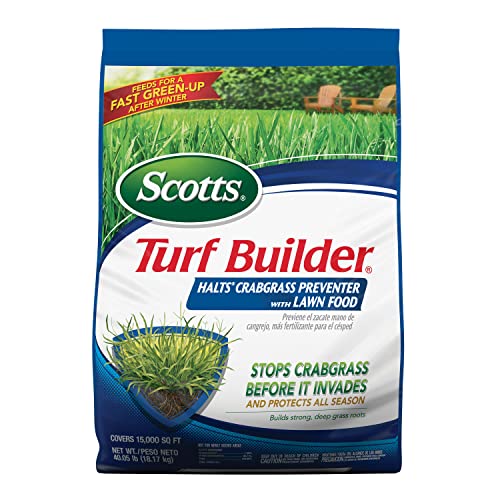
Product overview: Scotts’ Turf Builder Halts combines pre-emergent weed prevention with lawn food to support a fast green-up after winter. It claims to prevent a range of listed weeds including crabgrass, barnyard grass, foxtail, and more, while simultaneously feeding the lawn for improved vigor. Application timing is early spring, prior to a few mowing cycles, with weather conditions noted as not affecting performance after application in typical windows.
Key features: dual-action (weed prevention and fertilization), broad weed protection, supports spring green-up, suitable for large lawns up to 15,000 sq. ft. Users should align application with mowing schedules and consider irrigation practices to ensure the barrier forms properly and remains effective through the germination period.
Buying Guide: Key Purchase Considerations For Organic And Non-Organic Pre-Emergents
- Active ingredient and approach: Organic options typically rely on corn gluten meal to inhibit seed germination, while conventional products use synthetic pre-emergents like Prodiamine. Consider your lawn’s tolerance, soil type, and seed mix before choosing.
- Target weeds: Identify the prevalent weeds in your region (crabgrass, foxtail, chickweed, etc.) and choose a product listed to prevent those species. Some products offer broader coverage while others are more specific to crabgrass.
- Application timing: Pre-emergents must be applied before weed seeds germinate. Spring and fall windows are common, with some products recommending dry conditions and post-application watering guidelines.
- Lawn type compatibility: Ensure the product is labeled for your grass type (Kentucky bluegrass, fescues, bermudagrass, etc.). Some products are more versatile across common cool-season and warm-season grasses.
- Coverage area: Bags and containers specify coverage (sq. ft.). Match this to your lawn size to minimize waste and maximize protection.
- Impact on soil biology and health: Organic and natural-based pre-emergents often have less impact on beneficial soil microbes. If organic lawn health is a priority, this may influence your choice.
- Maintenance integration: Consider how a pre-emergent aligns with mowing, fertilization, and other lawn care activities. Some formulas also provide fertilizer, which affects timing and nutrient management.
- Weather and irrigation: Some products require minimal post-application watering, while others are rainfast after a certain period. Plan around upcoming rain or irrigation schedules for optimal efficacy.
- Safety and labeling: Always follow the product label for application rates, protective equipment, and storage. Dispose of empty packaging as directed by local regulations.
In summary, for organic-focused lawn care, Espoma Organic Weed Preventer Plus Lawn Food stands out as a clearly organic option, while other products offer robust, long-lasting pre-emergent protection with varying levels of soil nutrition. When selecting, balance organic goals with weed pressure, lawn type, and maintenance capacity to achieve a weed-free, healthy lawn.