Japanese maples (Acer palmatum) are prized for their delicate, lacy leaves and striking seasonal color. This guide highlights the best choices for shade-loving landscapes, with a focus on varieties that thrive with less direct sun while delivering ornamental value from spring through fall. Whether you want compact options for small gardens or standout trees for shaded courtyards, these selections offer color, texture, and architectural interest without demanding intense sun exposure.
A quick summary of the five featured products below, helping you compare key traits at a glance:
| Product | Brand | Notes |
|---|---|---|
| Osakazuki Japanese Maple | Japanese Maples and Evergreens | Excellent fall color; large and refined form |
| The Japanese Sango Kaku Maple (Coral Bark) | Generic | Distinct coral-red bark; dramatic winter appearance |
| The Japanese Sango Kaku Green Maple | Generic | Coral bark with green leaves; drought-tolerant |
| METAMORPHOSA Japanese Maple | Hirt’s Gardens | Proven Winners; suited for multiple sun/shade zones |
| 10 Japanese Maple Tree Seeds | Generic | Seed-grown option with color range in fall |
METAMORPHOSA Japanese Maple

The METAMORPHOSA Japanese Maple is a 4″ pot plant suited for zones 5b-8 with mature heights ranging from 5 to 13 feet. It tolerates full sun to part shade, making it adaptable for shaded yards where dappled light prevails. This variety can provide graceful branching and a refined silhouette in mixed borders or as a focal tree in a shaded patio garden. While not the most extreme color show, its dependable growth and suitability for partly shaded sites make it a versatile option for landscape designers seeking year-round structure.
The Japanese Sango Kaku Maple (Coral Bark)

The Sango Kaku, or coral bark maple, is cherished for its winter bark color—a striking coral-red that stands out even when foliage is minimal. For shade considerations, it typically features a spreading habit and can perform well with afternoon shade, especially in hotter climates. Fall color adds warmth with yellow to orange hues causing the canopy to glow. This variety blends ornamental bark interest with seasonal leaf color, making it a strong seasonal specimen in shaded courtyards and entryways.
The Japanese Sango Kaku Green Maple
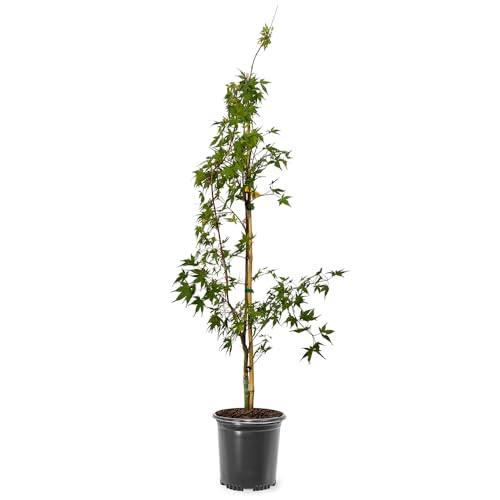
This green-leaved Sango Kaku variation provides the same striking bark but with a greener leaf palette. Its drought-tolerant tendencies plus the coral bark in winter create a year-round visual appeal. In shaded landscapes, the tree can flourish with steady moisture and protection from harsh afternoon sun, making it a reliable choice for ornamental shade trees with dramatic seasonal texture.
10 Japanese Maple Tree Seeds

This seed-based option offers a start-to-grow approach for gardeners who enjoy propagating from seed. The product notes indicate fall to cold stratification, with color ranges from green to red and orange in fall. While seed-grown trees may take longer to reach display size, they can become resilient landscape features with proper care and shade-appropriate watering schedules. This choice is suited for patient planners seeking long-term shade-tree development from scratch.
Aureum Japanese Maple

The Aureum Maple is noted for bright red edges and orange centers as new growth emerges in spring. This distinct cultivar offers a dramatic color transition, which can be particularly striking in shaded beds where light plays on leaf margins. Its standout branch structure adds architectural interest to medium-sized shade landscapes, making it a compelling pick for focal plantings near patios and walkways that receive filtered light.
Japanese Red Maple, Compact

Compact Japanese red maples are well-suited for smaller gardens and shaded spots. They offer a balance between foliage density and decorative color, typically displaying deep red or burgundy leaves that provide contrast against lighter understory plants. While many compact cultivars tolerate shade well, ensuring consistent moisture and protection from strong afternoon sun will optimize color retention and growth in shaded environments.
Buying Guide: Key Considerations For Shade-Loving Japanese Maples
- Light and exposure: Most Japanese maples prefer a mix of sun and shade. In hotter regions, filtered light or morning sun with afternoon shade helps preserve foliage color and prevent leaf scorch. For deep shade, select cultivars known to tolerate lower light and avoid full midday sun.
- Size and growth habit: Decide between compact, spreading, or upright forms. Shade gardens often benefit from trees with balanced branching that won’t overwhelm space or cast heavy shadows on other plants.
- Soil and moisture: Maples typically favor rich, well-draining soil with consistent moisture. Mulching helps retain soil moisture and regulate temperature, which is important in shaded beds where soils may be cooler but still subject to moisture fluctuations.
- Seasonal color and texture: Look for varieties with standout fall color or distinctive bark for winter interest. Coral-bark varieties, and those with lace-like leaves, add year-round drama in shade settings.
- Maintenance and care: Check for drought tolerance, pruning needs, and disease resistance. Some cultivars require regular pruning to maintain shape and prevent overcrowding in smaller shade gardens.
- Hardiness zones: Confirm the plant’s winter hardiness for your region. The right zone compatibility ensures resilience against frost and abrupt temperature swings common in temperate American climates.
- Propagation and source considerations: Seeds offer a low-cost option but may take longer to mature. Nursery-propagated specimens often establish quicker, with more predictable color and form in the first few seasons.
- Legal shipping limitations: Several listings note restricted shipping to certain states. When ordering, verify that the cultivar and shipping terms align with your location to avoid order cancellations.
When selecting a Japanese maple for shade, prioritize a balance of color, bark interest, and growth habit that complements your landscape’s architecture and light levels. The featured selections provide a spectrum of shade-friendly options, from bark-forward focal trees to leaf-color champions, helping you craft a serene, year-round display in a shaded American garden.