Choosing the right wood planks for garden beds helps ensure long-lasting, healthy plant growth. This guide highlights five top options, focusing on durability, ease of assembly, and overall value for American yards and patios. Each product section includes a quick snapshot, an image, and features drawn from the listed specifications to help you compare at a glance.
| Product | Size / Capacity | Material Type | |
|---|---|---|---|
| SPECRAFT 8×4 Ft Wood Raised Garden Bed | 44 cu ft planting space, 1.5 ft depth | Wood with open-base design | Open-base for drainage and divided with mortise/tenon |
| Best Choice 72x24x30 Raised Garden Bed | 8.4 cu ft planting space, six legs | Chinese fir wood | Divided panel with sturdy support |
| Best Choice 48x24x30 Raised Garden Bed | 5 cu ft bed space | Chinese fir wood | Bed liner included for soil protection |
| Infinite Cedar Raised Garden Bed | 4′ x 4′ x 11 H | Western red cedar, 1 thick | All-wood construction, easy assembly |
| ZSYWODFO 8x2ft Outdoor Raised Bed | 96 x 24 x 9 in | Natural wood with liner | Includes middle divider for organization |
SPECRAFT 8×4 Ft Wood Raised Garden Bed

The SPECRAFT raised bed offers a generous 44 cubic feet planting area with 1.5 feet of depth, making it suitable for vegetables, herbs, and flowers. Its open-base design promotes drainage and healthier root development, while the mortise and tenon structure helps keep panels aligned. A central divider supports plant organization and quick assembly, typically achievable in about 15 minutes without tools. This model emphasizes durability and ventilation, key benefits for larger garden layouts in American backyards.
Best Choice 72x24x30 Raised Garden Bed
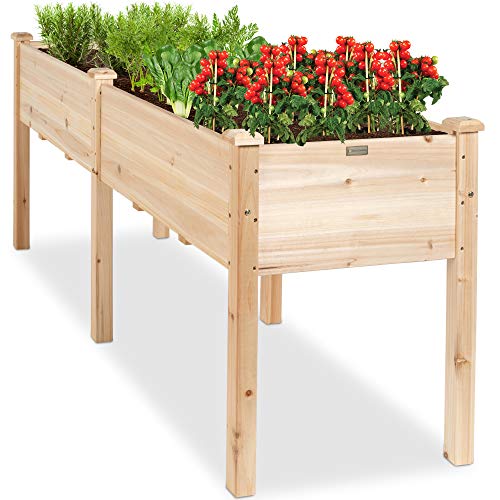
This elevated wood planter stands on six legs, providing sturdy support and a streamlined footprint for patios, balconies, or backyards. It offers 8.4 cubic feet of planting space and is built with all-wood construction from Chinese fir, designed to resist warping and sagging over time. Six drainage holes help aerate soil and remove excess moisture, contributing to long-term plant health. A central divider helps organize crops and flowers while maintaining a clean aesthetic.
Best Choice 48x24x30 Raised Garden Bed

This long bed provides a 5 cubic feet plant space with proper drainage to prevent waterlogging and mineral buildup. Built from Chinese fir, the all-wood construction emphasizes durability and weather resistance for year-round use. The included bed liner helps protect soil quality and reduces direct contact between soil and wood, extending bed life in humid or variable climates. Its streamlined dimensions fit well on many decks or compact yards.
Infinite Cedar Premium Cedar Raised Garden Bed

Crafted from 100% natural Western Red Cedar, this bed emphasizes durability and natural resistance to weather. The 1-inch thick cedar boards offer robust construction with reinforced corners. Assembly is straightforward because all boards are pre-cut and pre-drilled, and the unit can be left unfinished to age naturally or painted or stained to taste. The cedar’s natural oils help resist decay, making it a popular choice for longer-term garden installations in varied American climates.
Shine Company Cedar Garden Bridge

While primarily a decorative garden bridge, this Cedar unit showcases 100% genuine cedar wood with natural resistance and kiln-dried processing to minimize cracking and warping. Its smooth, sanded finish accepts refinishing with paint or stain, making it a versatile feature for pathways and elevated garden sections. Cedar’s natural durability aligns well with outdoor garden beds where aesthetic integration and long-term performance matter to homeowners in diverse climates.
Kukmakri 5 Pack Live Edge Wood Planks

These live-edge planks bring rustic charm to garden projects and crafts. Each unfinished plank measures roughly 11 by 7 inches with a 0.39-inch thickness, making them suitable for decorative edging or rustic build accents around beds. The live edge bark and natural texture can serve as canvases for laser engraving, painting, or staining, offering creative flexibility for personalized garden displays.
ZSYWODFO 8x2ft Outdoor Raised Bed

This 8-foot bed offers ample planting space with a built-in liner to separate wood from soil and preserve wood integrity. The included middle divider helps organize different plant types or crop rotations within the same bed. The natural wood finish complements outdoor spaces, while sturdy construction aims to resist warp and provide reliable year-after-year performance for vegetable gardens, flower beds, or mixed plantings.
Buying Guide: Wood Planks For Garden Beds
Key considerations when choosing wood planks for garden beds include wood type, durability, and maintenance needs. Cedar varieties, such as Western Red Cedar, resist decay and insects with minimal chemical treatment, making them a popular long-term choice in many climates. Hardier hardwoods and weathered or reclaimed planks offer rustic aesthetics but may require more maintenance or pre-treatment to maximize life span.
Drainage and ventilation are crucial. Beds with open bases or well-designed drainage holes help prevent root rot and mineral buildup. For larger plots, look for divisions or mortise-and-tenon joints that maintain alignment and reduce warping under load. If you expect heavy rainfall or humidity, consider liners or protective coatings and choose wood that can handle exposure without frequent replacement.
Size and depth influence the suitability for different crops. Deeper beds support root-heavy vegetables like carrots or tomatoes, while shallower beds fit leafy greens and herbs. For decks or balconies, compact dimensions and lighter woods reduce weight and ease installation. Finally, assess assembly requirements; some models ship pre-cut and pre-drilled for tool-free or quick assembly, while others may need some basic carpentry to finish.
Maintenance varies by wood type. Cedar and other naturally rot-resistant woods often require less treatment, while pine or fir may benefit from sealant or stain to extend life. Consider environmental factors such as soil acidity, sun exposure, and winter conditions when planning upkeep. By balancing wood choice, bed design, and climate considerations, you can maximize productive growing seasons with minimal renovation costs.