Choosing the right grass seed for cattle can boost forage quality, yield, and livestock health. This guide highlights five reliable seed blends and grasses that work well across U.S. pastures, with attention to persistence, digestibility, and adaptability. Each profile includes key features to help operators compare establishment speed, tolerance to weather, and suitability for different climates.
| Product | Brand | Key Strengths |
|---|---|---|
| Mountain View Seeds 100372 Cattle Pasture Mix | MOUNTAIN VIEW SEED | Persistent mix with tall fescue, orchardgrass, ryegrass, clover |
| Barenbrug Pasture25 | Barenbrug | Rapid establishment; endophyte-free seed; versatile climate use |
| X-Seed Land Over-Seeder Mix | X-Seed | Micro-Boost improved germination; diverse blend; suitable for restoration |
| Outsidepride Ryegrass Mix | Outsidepride | High forage yield; robust growth; adaptable to soil conditions |
| Pennington Kentucky 31 Tall Fescue | Pennington | Durable, economical lawn and forage compatibility |
When selecting a grass seed for cattle, consider persistence, forage quality, planting window, climate, and whether the mix supports year-round grazing. The following profiles provide a practical snapshot of top options that pair well with pasture management goals such as maintenance costs, cattle intake, and seasonal recovery.
Mountain View Cattle Pasture Mix

The Mountain View Seeds 100372 Cattle Pasture Mix blends tall fescue, orchardgrass, and ryegrasses with clovers and timothy. This mix prioritizes persistence and higher yields across mixed pastures, making it suitable for sustained grazing. It is designed to improve forage diversity, potentially reducing feed costs by supplying multiple forage types. For cattle, the inclusion of clover can enhance crude protein content during peak grazing periods while maintaining solid yield in temperate climates. Users should monitor establishment in the first season and manage grazing pressure to avoid overgrazing young stands.
Barenbrug Pasture25 Grass Seed

Barenbrug Pasture25 is designed for rapid establishment and pasture recovery, with endophyte-free seed to ensure safer grazing for various livestock, including cattle. It is positioned as adaptable to northern and transition climate zones and suitable for hay production. The seed’s fast germination can shorten downtime after reseeding or repair work. For producers, this means quicker return to grazing and potential resilience against challenging weather patterns. Monitor soil moisture after sowing to support even emergence across fields.
X-Seed Land Over-Seeder Mix

X-Seed’s Over-Seeder Mix emphasizes a diverse blend with Micro-Boost for enhanced germination and root development. It supports reestablishing pastures and provides forage for cattle, sheep, goats, and other livestock. The seed composition includes Maximo intermediate ryegrass, orchard grass, annual ryegrass, and clover, offering robust growth in cool and warm climates. This mix is especially useful for reviving overgrazed fields, improving soil structure, and sustaining longer grazing periods through sturdy early growth and resilience to a range of soil conditions.
Outsidepride Ryegrass Seeds (25 lb)

Outsidepride’s Tetraploid Annual Ryegrass seed is highlighted for high forage yield and rapid establishment. It is described as nutrient-rich forage with larger leaves and higher water content, enhancing palatability for cattle. The cultivar is designed to tolerate a range of soil conditions and climatic variations, making it a solid option for pasture grazing, hay production, or green chop. Its quick growth can help fill gaps in pastures, though it may require supplementary reseeding for long-term persistence in some climates.
Pennington Kentucky 31 Tall Fescue
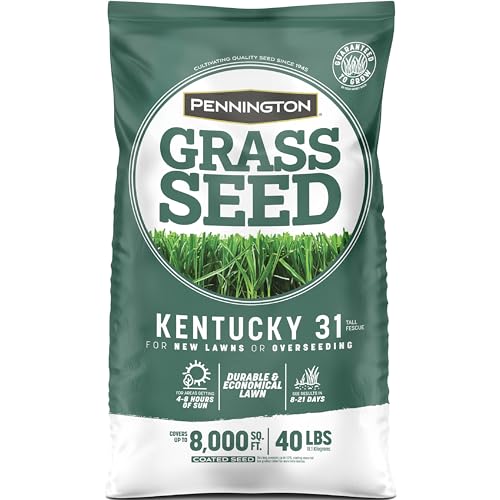
Pennington Kentucky 31 Tall Fescue is a proven turf-type tall fescue that translates well to forage contexts. It offers durable blades capable of withstanding hot summers and heavy rainfall, contributing to resilient grazing pastures. The seed is positioned as economical for home lawns and forage uses, enabling cattle operations to leverage a cost-effective option without sacrificing stand density. Establishment should be monitored to ensure uniform coverage, especially in areas with competing vegetation or variable irrigation.
Pennington Northern Mix Seed

Pennington’s Northern Mix is crafted for climates typical of northern U.S. regions, focusing on quick establishment and dense turf. While suitable for lawns, it also supports grazing when used in pastures or field borders. It’s designed to offer reliable performance in cooler seasons, with emphasis on rapid seedling development and tolerance to shorter growing seasons. For cattle operations, this mix provides a dependable option where heat tolerance is less critical than early density.
Pennington Smart Seed Dense Shade
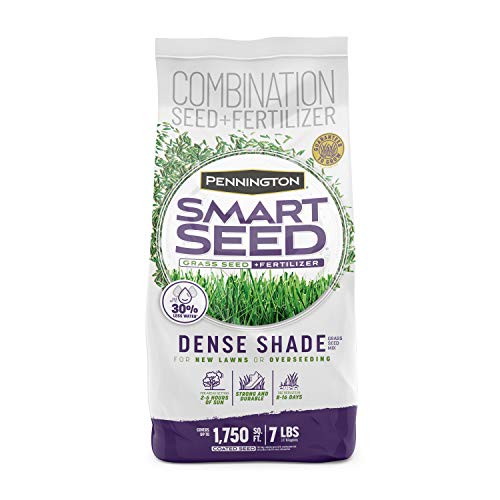
Pennington Smart Seed Dense Shade combines tall fescue and fine fescue to perform in shaded lawn areas. While not a dedicated cattle-seed, it can supplement grazable areas with dependable growth where sunlight is limited. It includes a small amount of fertilizer to support establishment and early growth, helping ensure initial pasture density. This option may be best for pastures with canopy cover or adjacent shaded zones near water sources.
Buying Guide: Key Purchase Considerations
- Climate compatibility: Match seed blends to your region’s temperature range, rainfall patterns, and grazing season length to maximize persistence and forage quality.
- Palatability and nutrition: Look for mixes with clover, alfalfa, or high-protein grasses to improve cattle intake and daily weight gain potential. Endophyte-free options reduce risk to livestock.
- Establishment speed: If you need quick green-up after reseeding, prioritize mixes marketed for rapid establishment and robust germination.
- Soil readiness: Determine soil pH, drainage, and fertility. Some blends tolerate poorer soils better, while others require better pre-season soil preparation.
- Grazing management: Plan for rotational grazing to prevent overgrazing, which can reduce stand persistence. Consider seed blends with clover or legume components for nitrogen contribution.
- Seed economy and maintenance: Weigh upfront seed cost against expected yield and maintenance needs. Endophyte-free and low-maintenance mixes may reduce long-term inputs.
- Compatibility with existing pastures: Select blends that complement your current forage base to maintain diversity and resilience across seasons.
- Seed quality: Choose reputable brands with good germination rates and clear labeling for seed composition and certifications.