If you’re aiming to add height, color, and vertical interest to sun-drenched spaces, choosing reliable perennial climbers is essential. The plants below are selected for full sun performance, vigorous growth, and long-term garden value. From fragrant honeysuckle to elegant clematis and vibrant crossvine, these climbers can cover trellises, fences, and arbors with year-after-year appeal.
| Product | Brand | Image | Key Benefit |
|---|---|---|---|
| Creeping Jenny Live Plant (Lysimachia nummularia) – 2 Pack | The Three Company | 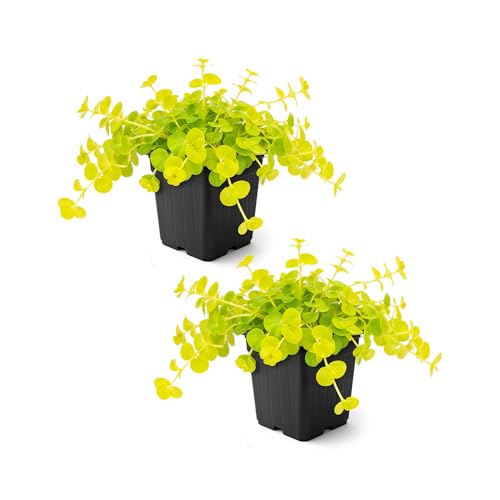 |
Low-growing groundcover for erosion control and weed suppression |
| 200 Honeysuckle Seeds | BuggyBeds |  |
Fragrant climber with strong pollinator appeal |
| Amethyst Falls Wisteria Vine | PERFECT PLANTS |  |
Compact, fast-growing vine with purple blooms |
| Violet Cobaea Cup and Saucer Vine Seeds | Outsidepride |  |
Vertical coverage with striking violet blooms |
| Clematis x Viticella Diamantina Hybrid | Perennial Farm Marketplace | 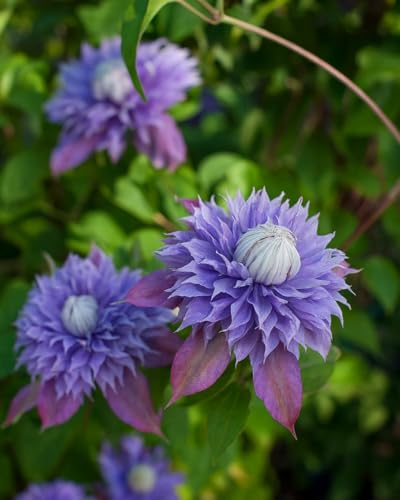 |
Long-blooming, compact climber for containers and trellises |
Note: All products are selected for sunny exposures and perennial performance. Actual availability and growth may vary by climate and site conditions.
Honeysuckle Seeds: Fragrant Climbing Beauty
Honeysuckle is a classic climber valued for its aromatic flowers and nectar-rich blooms. This variety is described as a hardy twining vine capable of reaching 6 to 20 feet in favorable conditions, with full sun to partial shade. It requires support to climb and is well-suited for vertical greenery on fences, arbors, and trellises. The seeds are marketed as non-GMO, heirloom style, with ornamental and pollinator-friendly traits. Planting requires well-drained soil and consistent moisture during establishment. Ideal for gardeners seeking a long-lived, fragrance-driven focal point in sunny spaces.
Features in brief: fragrant, symmetrical flowers; tall, vigorous growth; needs support for climbing. Consider pairing with other sun-loving climbers to create layered vertical interest. While seeds are the starting point, ongoing care includes regular watering in dry spells and mulching to conserve moisture during hot summers.
Amethyst Falls Wisteria Vine
This wisteria cultivar is a compact climber designed for smaller spaces while delivering classic wisteria elegance. It ships with a full root system and is hardy in USDA zones 5-9, ensuring reliable establishment after planting. In spring and summer, it produces fragrant purple flowers that can attract pollinators such as butterflies and hummingbirds. Its compact habit, reaching approximately 4–5 feet in height, makes it ideal for trellises, fences, or container growth on patios and balconies. Regular pruning helps maintain shape and prevents overgrowth in tight spaces.
Care considerations include full sun exposure for best flowering, consistent moisture (especially during establishment), and seasonal pruning after bloom. Colder climates may require winter protection or mulch for root insulation. The plant’s floral display, coupled with its vertical reach, makes it a strong anchor for ornamental gardens seeking dramatic spring and summer color.
Violet Cobaea Cup And Saucer Vine Seeds
Violet Cobaea, commonly called Cup and Saucer Vine, is a vigorous climber known for its tall growth and large cup-shaped flowers. When conditions are favorable, these vines can reach 30–40 feet, making them excellent for tall fences, arbors, and expansive trellises, particularly in USDA zones 9–11. Full sun is preferred, with moist, well-drained soil to support ongoing bloom from late summer into fall. Blooms transition from green to a striking violet, emitting a musky fragrance that attracts hummingbirds. Maintenance is relatively low once established, with regular watering and some support to guide its ascent on vertical structures.
Consider using this vine to create dramatic backdrops in sunlit gardens, or pair with flowering companions for a layered color story. Potential caveats include vigorous growth rates and the need for sturdy support to prevent sagging on tall structures. Regular monitoring and pruning help maintain a tidy appearance while maximizing bloom potential.
Clematis Diamantina Hybrid – Regal Purple Blooms
The Diamantina hybrid Clematis offers near-white to soft lavender blooms with a regal aura. This variety is described as a compact climber, typically reaching 4–5 feet tall, making it well-suited for tight spaces such as containers, trellises, and balcony walls. Plants arrive in seasonal condition, though dormancy and pruning considerations may apply if shipped during colder months. Clematis generally prefers rich, well-drained soil, consistent moisture, and partial sun to full sun for best flowering. Deadheading spent blooms can extend the blooming period, while periodic fertilization supports robust growth and flower production.
Perennial climbers like Diamantina provide a versatile option for decorative focal points and vertical greenscapes. Their long bloom cycle adds seasonal structure to sunlit gardens, especially when paired with complementary perennials that offer interest in non-flowering periods. Proper staking, mulching, and soil maintenance contribute to sustained vigor and a strong, attractive display over multiple seasons.
Tangerine Beauty Crossvine – Vibrant Orange Blooms

The Tangerine Beauty Crossvine is a striking option for bright, trumpet-shaped blooms from spring through fall. Supplied as live plants in a 4–6 inch bare-root state, they ship with a compact growth habit and a robust climbing tendency, making them ideal for trellises, fences, arbors, and even container setups. Full sun supports vigorous growth and abundant color, while the plant’s natural vigor helps it quickly establish vertical coverage. Expect vibrant orange blooms that attract hummingbirds and butterflies, adding motion and life to sunlit landscapes. Pair with evergreen climbers for year-round structure or with flowering perennials to extend visual interest across seasons.
Purchase considerations include ensuring sturdy support systems, especially in windy locations, and providing adequate water during warm periods. Pruning after flowering can help maintain form and prevent overgrowth. This vine’s upbeat color and hardy performance make it a popular choice for gardeners seeking dramatic vertical accents in bright sunny spaces.
Buying Guide: Key Purchase Considerations For Sunlit Climbers
- Sun exposure and climate compatibility: Verify that the plant is hardy in your USDA zone and that it will receive at least 6 hours of direct sun per day for optimal flowering and growth.
- Growth habit and space: Choose climbers that fit your available vertical space. Compact varieties are ideal for small trellises, while vigorous species cover large fences and arbors quickly.
- Support and structure: Most climbers need a sturdy support system (trellis, lattice, wires). Plan for the type and spacing of stakes or mesh before planting.
- Soil and watering needs: Ensure well-drained soil and consistent moisture, particularly during establishment. Some species prefer rich soil; others tolerate poorer conditions.
- Bloom season and pollinator appeal: If color and fragrance are priorities, select species with extended bloom periods and vibrant flowers to attract butterflies and hummingbirds.
- Pruning and maintenance: Pruning requirements vary. Clematis, wisteria, and crossvine may benefit from seasonal pruning to maintain shape and flowering performance.
- Resistance and pests: Check for disease resistance and common pests in your region. Appropriate mulching and spacing can reduce problems.
In summary, the listed selections provide a range of options—from fragrance and color to dramatic vertical coverage—all suited for full-sun gardens. When planning, consider how each plant complements existing textures, bloom times, and maintenance levels to create a cohesive, year-round display.