Maintaining a healthy lawn starts with balanced soil chemistry. The right soil pH affects nutrient availability, root growth, and overall turf health. This guide reviews top soil pH test kits suitable for lawns, highlighting accuracy, ease of use, and practical recommendations for American homeowners. Each product section includes key features to help you compare at a glance, plus a concise buying guide to navigate common lawn-testing scenarios.
| Product | Brand | Key Benefit |
|---|---|---|
| Rapitest Soil Test Kit for Gardens, Vegetables, Flowers and Lawns | Luster Leaf | Easy at-home pH and nutrient testing |
| MySoil Soil Test Kit | My Soil | Professional-grade lab-style nutrient and pH results |
| Leaping Lynx Soil pH Test Kit | Leaping Lynx | 100 test strips for frequent monitoring |
| AKSBTEC 4-in-1 Soil Test Kit | AKSBTEC | All-in-one N, P, K, and pH |
| Garden Tutor Soil pH Test Kit | Garden Tutor | AI-powered web reader for quick results |
Choosing the right kit depends on how precise you want to be, how often you test, and whether you prefer quick home results or professional-grade analysis. The following sections profile five well-suited products for lawns, drawing on a mix of straightforward color-based tests and more advanced readings to accommodate varied gardening needs.
Rapitest Soil Test Kit For Lawns And Gardens

This classic all-in-one kit from Luster Leaf offers quick at-home results for soil pH and essential nutrients (Nitrogen, Phosphorus, and Potash). Its capsule system with patented color comparators provides an affordable, straightforward way to assess multiple variables across different lawn areas. The kit includes enough components for up to 20 tests, with five tests dedicated to each nutrient category. For lawn care, this means you can test several spots—under shade, in high-traffic zones, and in bare patches—to determine where lime or other amendments may be needed to balance pH and nutrient availability. The LED-ready color comparison method helps you quickly translate color changes into actionable data, though results are best interpreted relative to your lawn’s typical soil profile. Pros include portability and simplicity; cons may involve less precision than lab-based testing for challenging soil mixes. This option is ideal for homeowners seeking a reliable, budget-conscious start to lawn pH management.
MySoil Complete Nutrient And pH Analysis Kit
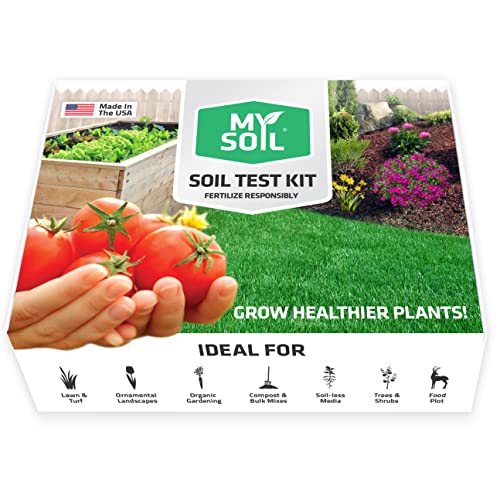
MySoil emphasizes professional-grade soil analysis suitable for lawns and broader gardening needs. Rather than relying on at-home test strips, this kit points users toward mail-in laboratory analysis, delivering a detailed report in about 6–8 days. The service measures 13 plant-available nutrient levels, including Nitrogen and pH, offering precise recommendations tailored to your soil and plant requirements. While not instant, the trade-off is accuracy and a comprehensive nutrient profile that can guide long-term lawn care strategies—from lime or sulfur adjustments to targeted fertilization plans. This option is best for gardeners who want data-driven decisions and are comfortable waiting for lab results to inform seasonal lime and nutrient amendments.
Leaping Lynx Soil pH Test Kit (3–9) With 100 Strips

Leaping Lynx provides a high-volume, color-compare test strip approach with 100 strips covering a pH range of 3–9. This format enables frequent monitoring across different lawn zones, helping you track changes after liming or acidifying amendments. The process is quick: collect a soil sample, mix with water, dip a strip, and compare colors to the included chart. This kit suits lawn owners who value rapid feedback and want to observe soil chemistry trends over time, especially in areas with variable drainage or heavy clay. The main considerations are ensuring you mix a representative soil sample and store unused strips properly to maintain accuracy. It’s a practical option for ongoing lawn maintenance rather than a one-off assessment.
AKSBTEC 4-in-1 Lawn And Garden Soil Test Kit

This 4-in-1 test kit provides a complete snapshot of soil chemistry by measuring pH, Nitrogen, Phosphorus, and Potassium. With 40 total tests (10 tests for each parameter), it’s designed for repeated use across multiple lawn areas—ideal for homeowners tending large yards or seasonal lawn projects. The testing process is simple: mix soil with water, add the reagent, and compare against the color chart to obtain rapid results. This kit balances accessibility with versatility, allowing you to identify when and where amendments are necessary to optimize turf health. It’s particularly suitable for those who prefer a single kit that covers essential macronutrients and pH without requiring professional lab involvement.
Garden Tutor Soil pH Test Kit With AI Web Reader

Garden Tutor combines traditional test strips with an AI-powered web reader for pH results. The kit is designed to deliver professional-grade accuracy quickly, with a 60-second read time and a user-friendly web-based tool that requires no app downloads or signups. The AI reader analyzes the strip against a template image uploaded by the user, producing precise pH values suitable for lawn management. The design emphasizes American roots and practical lawn care challenges, making it a compelling option for those who want rapid, digital interpretation of test results. Consider this kit if you value an integrated, tech-assisted testing experience that minimizes interpretation guesswork and supports recurring lawn maintenance decisions.
Buying Guide: Key Considerations For Selecting A Lawn Soil pH Test Kit
When choosing a soil pH test kit for a lawn, consider the following factors to ensure you gain reliable data and actionable guidance.
- Testing frequency and scale: For small lawns, basic colorimetric kits may suffice. Larger properties or high-traffic lawns may benefit from high-volume strips or professional lab testing to track changes over time.
- Desired accuracy: Home kits vary from approximate color-mimic readings to lab-grade analyses. If you’re planning major lime or sulfur applications, a lab test or a kit with detailed nutrient panels yields more precise recommendations.
- Nutrient scope: pH is essential, but nitrogen, phosphorus, and potassium levels influence fertilization strategies. Decide whether you need a 4-in-1 kit or a dedicated pH tester with optional nutrient tests.
- Sample collection protocol: Uniform sampling improves accuracy. Follow guidelines such as testing multiple spots, avoiding root zones, and collecting soil from the top 6–8 inches of the root zone when applicable.
- Result interpretation: Look for kits with clear color charts, digital readers, or online tools. Digital interpretation can reduce human error and offer tailored recommendations.
- Turnaround time: Instant read kits provide quick feedback, while mail-in labs deliver comprehensive reports in several days. Balance immediacy with depth of analysis based on lawn needs.
- Cost and consumables: Some kits emphasize low upfront cost with consumables (strips and capsules), while others require higher initial investment for ongoing lab analysis. Consider long-term testing plans for your lawn.
- Storage and longevity: Ensure test strips and reagents are stored as directed to preserve accuracy. Exposure to moisture, heat, or sunlight can degrade performance.
- User friendliness: For beginners, simple step-by-step instructions and minimal setup can significantly improve the testing experience and compliance with DIY lawn care schedules.
Across these options, homeowners should align product choice with lawn size, preferred testing cadence, and whether immediate recommendations or precise, lab-grade data best supports their turf goals. By testing soil pH and nutrient status regularly, you can optimize lime or sulfur amendments and tailor fertilizer applications to keep your lawn lush and resilient throughout the growing season.