Aphids are a common challenge for indoor gardeners. The right spray can protect houseplants from damage, while keeping indoor air and surfaces safe. This article highlights five effective, readily available sprays that target aphids and other soft-bodied pests without harsh chemicals. Each product is suitable for indoor use when labels are followed, and they offer different active ingredients and benefits. Use this guide to compare application methods, safety notes, and performance for healthier, pest-free indoor plants.
| Product | Brand | Key Benefit |
|---|---|---|
| Bonide Insecticidal Soap | Bonide | Direct contact kill for aphids and more |
| Mighty Mint Peppermint Plant Protection Spray | Mighty Mint | Plant-based protection with mint aroma |
| Earth’s Ally Insect Control | Earth’s Ally | OMRI-listed, safe for organic gardens |
| Big Leaf Energy Neem Oil Spray | BLESS YOUR SOIL | Neem-based, multi-benefit plant care |
| Mighty Mint Peppermint Plant Protection Spray 32 oz | Mighty Mint | Cost-effective, large-surface use |
Bonide Insecticidal Soap, 32 oz
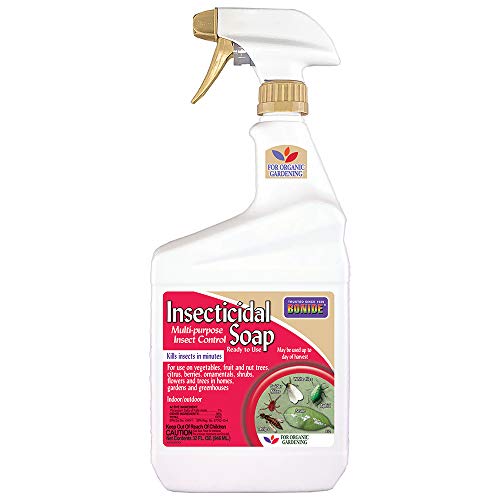
Bonide Insecticidal Soap is a ready-to-use spray designed to control aphids and other pests via contact and ingestion pathways. It targets adelgids, aphids, and related pests on a range of outdoor and indoor plants when used as directed. For indoor use, apply directly to infested foliage, ensuring thorough coverage of the undersides of leaves. The soap works by disrupting the insect’s cell membranes, leading to rapid knockdown with minimal residue. Suitable for organic gardening contexts, it supports a safer approach to pest control in homes and greenhouses.
Key considerations: This product requires direct contact with pests and can affect beneficial insects if used in mixed environments. Always test on a small leaf area first to check for phytotoxicity on sensitive houseplants. Follow label directions for dilution (if any) and reapplication intervals to maintain effectiveness without overuse.
Mighty Mint Peppermint Plant Protection Spray

Mighty Mint Peppermint Plant Protection Spray uses plant-based ingredients to combat insects such as aphids, gnats, and mites. It is designed for safe use around people and pets when used as directed, making it a practical option for homes with children or small pets. The peppermint-forward formula can provide a refreshed aroma while helping shield foliage from common pests. This spray is suitable for indoor houseplants and can be part of a regular preventive routine alongside other cultural controls.
Key considerations: While tastefully scented, peppermint oils may cause sensitivity on some plant varieties. Conduct a spot test on a single leaf or stem before broader application. Use as directed to avoid leaf burn on delicate foliage and to maintain leaf sheen and vitality.
Earth’s Ally Insect Control for Plants Ready-to-Use

Earth’s Ally Insect Control targets a range of soft-bodied insects including spider mites, aphids, whiteflies, mealybugs, and scale. It is an OMRI Listed product that supports organic gardening practices, offering a safer option for indoor use. The formulation is designed to knock down pests without leaving harmful residues, and it can be sprayed on herbs and vegetables up to the day of harvest, making it versatile for mixed indoor plant setups and small balcony gardens.
Key considerations: As with all sprays, thorough coverage is essential for effectiveness. Check compatibility with sensitive indoor plants, and reapply as recommended to sustain control across pest life cycles. Consider rotating with other active ingredients to reduce resistance risk.
Big Leaf Energy Neem Oil Spray
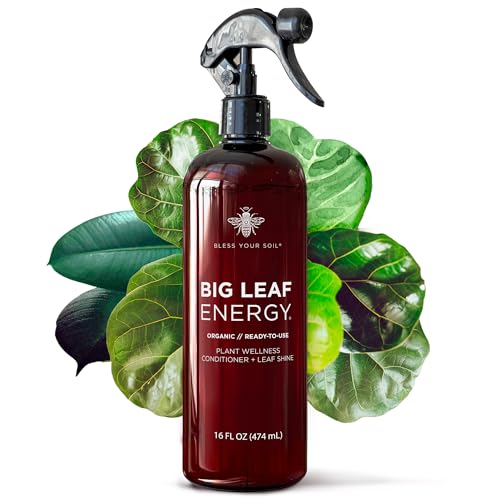
Big Leaf Energy Neem Oil Spray combines neem oil with a multi-plant wellness blend. Neem oil acts as an insect growth regulator and repellent, providing control against aphids, mites, and other pests while supporting overall plant health. The added essential oils can offer a pleasant aroma and potential extra protective benefits for indoor foliage. This spray is suitable for routine care and preventative use on a wide variety of houseplants and indoor gardens.
Key considerations: Proper emulsification and thorough leaf coverage are important for neem-based products. Some plants may show temporary spotting if applied under certain conditions; always follow label directions and perform a small patch test on delicate species before widespread use.
Mighty Mint 32 oz Peppermint Plant Protection Spray

This 32-ounce Mighty Mint spray provides a larger-volume option for homeowners with extensive indoor plant collections. It uses peppermint oil as a primary active component, offering pest deterrence with a refreshing scent. The formulation emphasizes safe use around people and pets when used according to directions, making it suitable for regular preventative applications or targeted pest bursts on infested plants.
Key considerations: Larger quantities require careful storage and handling. Ensure even application across all leaf surfaces and avoid applying directly to blooms that may be sensitive to essential oils. Repeated use should follow label guidance to maintain plant vitality and pest control efficacy.
Buying Guide: Key Purchase Considerations And Comparisons
Active ingredient type matters: Soap-based sprays provide rapid contact kill, while neem oil and peppermint formulations offer growth regulation and deterrence with added plant support. For indoor use, select products with safe profiles, OMRI listings (if pursuing organic methods), and clear directions for indoor environments.
Leaf coverage and application notes: Thoroughly coat the undersides of leaves for best results with aphids. Some formulations may cause temporary leaf spotting on sensitive plants; always test on a small area first. Adjust frequency based on pest pressure and plant tolerance.
Plant compatibility: Consider plant type, maturity, and sensitivity. Delicate foliage or flowering plants may respond differently to essential oil-based sprays. When in doubt, start with a spot test and use the lowest effective rate.
Safety and storage: Store sprays away from children and pets, in original containers with intact labels. Follow personal protective equipment recommendations if provided and wash hands after application. Label storage temperature and shelf life considerations to maintain product effectiveness.
Integrated pest management mindset: Use sprays as part of a broader strategy—quarantine new plants, maintain cleanliness to reduce pest habitats, and incorporate cultural controls such as proper watering, airflow, and pruning. Rotating among different active ingredients can help prevent pest resistance and maintain long-term plant health.