Choosing the right liner for planter boxes helps keep soil in place, ensures proper drainage, and protects the box material from water damage. This article highlights five top waterproof liners that fit raised beds, window boxes, and large troughs. Each option balances durability, ease of use, and reusability, making it easier to maintain healthy, well-drained plantings. Below, you’ll find concise product overviews, a quick comparison table, and a buyer’s guide with practical considerations for different setups.
| Product | Size | Material | Best For |
|---|---|---|---|
| Longzhuo Raised Bed Liner | 63″ x 114″ | Nonwoven fabric | Large vegetable troughs and elevated beds |
| Qivine Raised Garden Bed Liner | 63″ x 114″ | Nonwoven fabric | Same large troughs; reusable yearly use |
| Winlyn Plastic Planter Liners | 16.2″ L x 3″ W x 3.5″ H per liner | Clear plastic | Window boxes and rectangular planters |
| Domensi Plastic Liners for Planters | 16.2″ L x 3″ W x 3.5″ H per liner | Clear plastic | Indoor/outdoor planters and window boxes |
| Toveival Fabric Planter Liner | 63″ x 83″ | Nonwoven fabric | Large veg troughs and raised beds |
All five options offer a balance of containment and drainage, with nonwoven fabric liners suited for large raised beds and window box liners built from clear plastic for visibility. When evaluating liners, consider the size compatibility with your planter, the material’s porosity, and whether you prefer a reusable fabric liner or a lightweight plastic insert for easier replacement.
Longzhuo 63″ x 114″ Raised Bed Liner

The Longzhuo liner is designed for large outdoor beds and elevated planters. Made from a durable nonwoven fabric, it provides a breathable barrier that contains soil while allowing excess moisture to drain. The 63″ x 114″ size can be cut to fit smaller spaces, making it adaptable for different configurations. The fabric is described as non-toxic and safe for garden use, adding a layer of protection to soil retention and weed suppression. This option is well-suited to vegetable troughs and larger raised beds where soil loss is a concern and drainage needs are significant.
Key considerations for this liner include cut-to-size flexibility and robust moisture handling. While it excels at keeping soil from escaping, homeowners should plan for periodic inspection of cut edges and potential fraying in very windy environments. Its waterproof and recyclable properties, along with safety assurances, make it a practical core liner for long-term garden installations.
Qivine Raised Garden Bed Liner

The Qivine liner mirrors the Longzhuo design with a high-quality non-woven fabric that creates a reliable barrier for soil while enabling drainage. The 63″ x 114″ footprint matches large vegetable troughs, and the fabric’s porous nature helps prevent waterlogging. The liner is reusable across seasons, and its cut-to-size capability supports adapting to various planter shapes. For gardeners prioritizing durability and adaptability, this option offers strong moisture management and readymade compatibility with elevated beds.
Users should note the importance of proper installation to avoid gaps where soil could escape. Since the material is nonwoven, it is relatively easy to customize with scissors or utility knives. Reuse over multiple growing cycles makes this a cost-effective choice for long-term planter maintenance, especially in climates with heavier rainfall or frequent irrigation needs.
Winlyn Clear Plastic Planter Liners (Pack of 10)
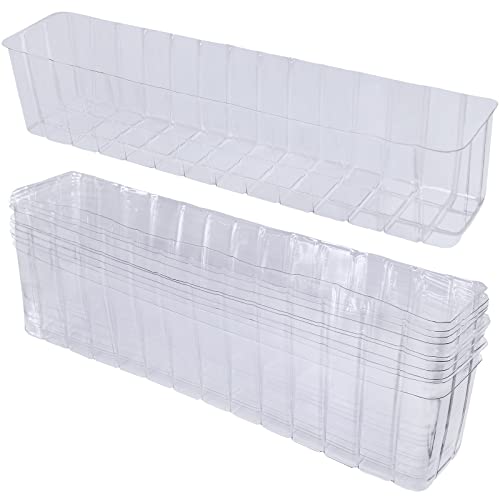
Winlyn’s set of 10 clear rectangular plastic liners is designed for window boxes and rectangular planters. The translucent material helps monitor root growth and water flow while forming a protective barrier against soil and water damage to planter interiors. Each liner measures about 16.2″ long, 3″ wide, and 3.5″ tall, providing a tight fit for typical window boxes. A ridged design enhances durability, supporting repeated seasonal use in both indoor and outdoor settings.
These liners are ideal for quick transitions between plants, especially in decorative arrangements or seasonal displays. They protect wood or composite planter interiors from excess moisture and stains while enabling easy removal for cleaning. Gardeners should ensure exact sizing for their specific boxes, as mismatches could affect drainage and soil retention.
Domensi Plastic Liners For Planters

The Domensi set includes 25 clear rectangular liners, designed for windowsills and various indoor/outdoor planters. The thick, transparent plastic resists cracking and features a checkered ridge pattern for added stiffness. This quantity provides ample replacements and backups for ongoing plant care. They are suitable for protecting planter interiors and reducing staining from water runoff, helping keep surfaces clean and extending the life of wooden or composite planters.
Practical use tips include ensuring that drainage holes are prepared where appropriate and coordinating liner size with planter dimensions. These liners shine in environments where quick swaps, multiple plantings, and year-round use are common. For decorative displays with frequent plant changes, they offer a reliable, inexpensive liner solution with consistent performance.
63×83 Inch Toveival Fabric Planter Liner

The Toveival liner targets large vegetable troughs and outdoor raised beds with a fabric-based design. The fabric is described as ultra-strong, nonwoven material that allows excess water to drain while preventing soil loss. The 63″ x 83″ DIY-friendly sizing can be trimmed to fit smaller beds, offering flexibility for various garden layouts. This option suits gardeners who want a durable, reusable fabric liner capable of withstanding outdoor elements and heavy irrigation without rapid degradation.
When using fabric liners, ensure edge stabilization after trimming to avoid fraying and monitor for any soil migration at seams. The nonwoven construction promotes breathability and drainage, helping prevent root rot in damp climates. As a long-term choice, this liner is well-suited for permanent or semi-permanent planter installations that require robust containment with reliable drainage performance.
Buying Guide: Key Purchase Considerations And Comparisons
- Size compatibility: Measure planter dimensions before selecting a liner. Fabric liners often require cutting to fit nonstandard shapes, while pre-cut plastics are convenient but may not fit every box perfectly.
- Material and durability: Nonwoven fabric liners favor soil containment and drainage for raised beds; clear plastic liners are excellent for visibility and quick changes but may require more frequent replacement in rain-prone areas.
- Reuse and maintenance: Fabric liners are typically reusable for multiple seasons with proper care. Plastic liners can be easier to clean and replace but may wear down in UV exposure over time.
- Drainage and soil retention: Ensure the liner’s porosity supports drainage without allowing soil to escape. For very wet climates, prioritize liners with robust edge sealing and edge protection.
- Installation and trimming: Some liners come ready-to-fit; others require trimming. Have scissors, a sharp knife, and a straight edge on hand for precise sizing.
- Indoor vs outdoor use: Clear plastic liners are ideal for decorative window boxes and indoor planters, while nonwoven fabrics handle outdoor exposure and weed suppression more effectively.
- Cost and value: Consider total cost based on size, durability, and expected lifespan. A reusable liner that lasts several seasons may offer better long-term value than single-use inserts.
- Environmental impact: Look for liners labeled as recyclable or made from non-toxic materials to minimize garden-related environmental impact.
In summary, selecting the best waterproof liner depends on planter size, climate, and maintenance preferences. Fabric liners excel for large, permanent beds that require solid containment and drainage, while plastic liners suit quick changes, visibility, and portable setups. For window boxes and decorative planters, clear plastic liners offer an affordable, low-maintenance option. By aligning product features with your garden’s needs, you can maintain healthy soil, prevent erosion, and protect planter materials over time.