Bee pollen powder is valued for its blend of vitamins, minerals, proteins, and antioxidants. This guide highlights select bee pollen products commonly used as supplements for humans and as a nutrient-rich option for supporting bee health in related applications. The following picks emphasize purity, natural ingredients, and strong nutrient profiles to help you compare options quickly.
| Product | Brand | Key Benefit | Format |
|---|---|---|---|
| Bee Pollen Powder | Alovitox | High antioxidant and protein profile | Powder |
| Bee Pollen Powder | PURE ORIGINAL INGREDIENTS | Pure, single-ingredient pollen | Powder |
| Bee Pollen Granules | Micro Ingredients | Fresh harvest, versatile use | Granules |
| Bee Pollen Powder | Beekeeper’s Naturals | Raw, enzyme-preserved pollen | Powder |
| Bee Pollen Powder | Nutricost | High-serving, gluten-free option | Powder |
Alovitox Bee Pollen Powder
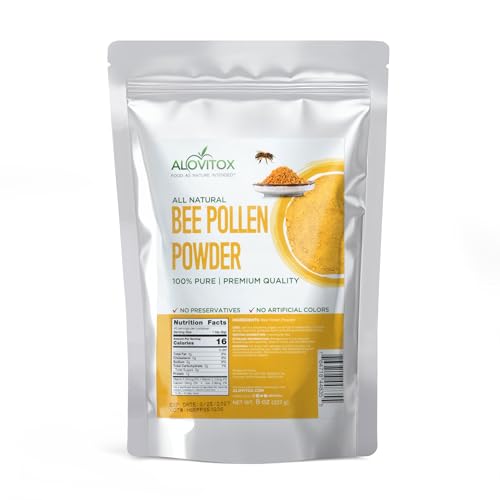
Alovitox Bee Pollen Powder is marketed as a nutrient-dense superfood containing vitamins A, B2, B6, C, D, E, and antioxidants. The product emphasizes a robust protein content—about 22% protein by weight—making it a candidate for smoothies or post-workout recovery. It highlights immune-supporting antioxidants and a blend of fatty acids, enzymes, and micronutrients from natural bee pollen. The powder format provides versatility for daily use in beverages and recipes.
Key features referenced include: high antioxidant levels, immune support, and a strong protein contribution. This product is presented as a multi-vitamin style additive, useful for those seeking a broad nutrient profile from a single ingredient.
PURE ORIGINAL INGREDIENTS Bee Pollen Powder

Pure Original Ingredients Bee Pollen Powder is described as a single-ingredient product, providing a pure, undiluted supplement derived from natural bee pollen components, including wax, saliva, nectar, flower pollen, and honey. The emphasis is on simplicity and purity, positioning it as the most complete natural food by nature with minimal processing. The powder form enables easy addition to shakes, yogurt, or cereals.
Its core selling point is purity and completeness of the natural pollen profile, without added fillers or synthetic additives.
Micro Ingredients Pure Bee Pollen Granules

Micro Ingredients offers a 2 lb bulk pouch of fresh harvest bee pollen granules. The product highlights a raw, natural superfood profile with essential nutrients, including protein, carbohydrates, fats, vitamins, minerals, amino acids, and antioxidants. The large quantity makes it suitable for consistent daily use in smoothies, yogurts, oatmeal, or baked goods. The listing notes the potential for supporting energy, performance, and seasonal immune health.
The granule format and bulk size are designed for versatile culinary use and long-term supply depending on consumption level.
Beekeeper’s Naturals Bee Pollen Granules

Beekeeper’s Naturals offers 100% raw bee pollen granules with preserved enzymes, marketed as a source of B vitamins, minerals, amino acids, and protein. The product positioning aligns with paleo and keto-friendly diets and emphasizes minimal processing to retain nutrients. It also notes third-party testing to ensure absence of pesticide residues or additives, highlighting quality control and safety considerations for raw bee pollen.
Key considerations include raw integrity, enzyme preservation, and independence from unwanted chemicals, with a focus on athletic or daily wellness use.
Nutricost Bee Pollen Powder

Nutricost Bee Pollen Powder comes in an 8 oz bottle, offering gluten-free, non-GMO, and vegetarian-friendly attributes. Each serving provides 1 g of bee pollen, aligning with straightforward dosing for daily supplementation. The packaging emphasizes a natural nutrition boost with a focus on vitamins, minerals, and amino acids to support overall well-being. The product targets consumers seeking a simple, reliable powder option in a reasonable serving size.
Considerations include serving size, allergen tolerance, and the balance between value and convenience for long-term daily use.
Buying Guide: Pollen Powder For Bees
- Purity and ingredients: Look for single-ingredient pollen powders or products with minimal fillers and preservatives. Third-party testing can indicate purity and pesticide-free status.
- Form and versatility: Powder versus granules affect usage in smoothies, yogurt, or baked goods. Consider your preferred texture and recipe applications.
- Vitamin and mineral profile: A diverse range of B vitamins, vitamin C, antioxidants, and amino acids improves the potential nutritional value but assess how you’ll actually consume it.
- Allergen and dietary considerations: Bee pollen may trigger allergies in some individuals. Check labels for gluten-free, non-GMO, vegan, and paleo/keto compatibility as needed.
- Serving size and affordability: Large bulk sizes offer savings but require consistent use. Compare servings per container and long-term cost per serving.
- Brand transparency: Opt for brands with clear sourcing, processing details, and third-party verification to ensure product integrity.
- Storage and shelf life: Bee pollen should be stored in a cool, dry place or refrigerated to maintain freshness and nutrient levels.
- Use cases: Consider whether you plan to consume directly, blend into shakes, or add to foods to maximize nutrient uptake and palatability.
- Bee health considerations: If using pollen powder for bees themselves (in beekeeping contexts), ensure formulations align with apicultural guidelines and do not introduce contaminants to hives.