Planning a resilient, legume-rich garden? This guide highlights top pigeon pea seeds and related climbers that perform well in home gardens, containers, or trellises. Each selection includes germination insights, growing habits, and practical use cases for soups, stews, and storage. Explore options ranging from classic gandules to versatile cowpeas, plus flowering vines that pair well with trellises for a biodiverse outdoor space.
| Product | Brand | Type | Germination Notes |
|---|---|---|---|
| KVITER 30 Guandules Pigeon Peas Seeds | KVITER | Pigeon Pea Seeds | Up to 90% in optimal conditions |
| Pigeon PEA Known As / Gandules / Gungo | wbut2023 | Pigeon Pea Seeds | Heirloom variety, versatile use |
| KVITER 75 Top Pick Pinkeye Cow Pea Seeds | KVITER | Cowpeas / Purple Hull Peas | 65 days to maturity |
| 120 Mammoth Melting Sugar Pod Pea Seeds | Generic | Snow Pea Seeds | Early germination, fast growth |
| PLANTMEW Sweet Pea Seeds | PLANTMEW | Sweet Peas (Vines) | 10–15 day germination, fragrant |
KVITER 30 Guandules Pigeon Peas Seeds For Planting

KVITER offers a versatile pigeon pea seed set ideal for outdoor gardens, containers, or trellises. Sow seeds 3/4 to 1 inch deep with 3–4 inches between plants, then thin to about 1 foot apart as plants establish. Gandules goya typically mature pods in 120–140 days, supporting flavorful soups and stews. The seeds boast a high germination rate, with up to 90% success under optimal conditions, making them suitable for both beginner and experienced gardeners. Suitable for USDA zones 8–11, these heirloom seeds adapt to various spaces—from balcony boxes to backyard plots. Plants can reach 3–12 feet tall, with an average around 5 feet, offering strong vertical structure for trellises and living walls.
Key considerations:
– Planting depth and spacing: 3/4–1 inch deep, 3–4 inches apart; thin to 12 inches once established.
– Maturity window: 120–140 days to pods.
– Growth habit: tall indeterminate vines; support helps productivity.
– Uses: dried beans, soups, stews, canning, or freezing for long-term storage.
Gaea’s Blessing Seeds – Butterfly Pea Seeds

Gaea’s Blessing offers Clitoria ternatea butterfly pea seeds, a non-GMO, open-pollinated option with untreated seeds. While not a pigeon pea, these tropical vines are often grown alongside pea crops for ornamental and culinary purposes. They produce vibrant deep-blue flowers that shift color with pH changes, and are widely used in herbal teas, colorants, and traditional Southeast Asian cuisine. The seeds are selected for freshness each growing season and accompanied by planting instructions to support successful germination and vine development.
Key considerations:
– Growth: fast-growing tropical vine with striking blue blooms.
– Uses: herbal tea, natural coloring, culinary accents.
– Planting: follow the included instructions for best germination and climber support.
Pigeon PEA Known As / Gandules / Gungo
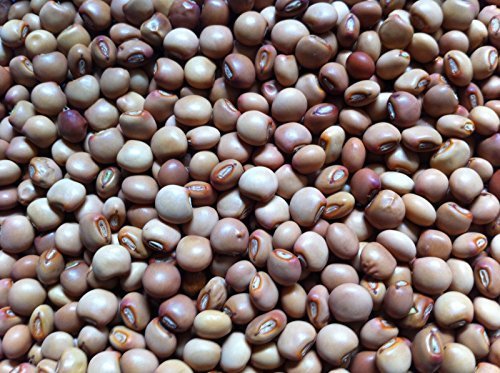
This listing presents a classic pigeon pea seed set commonly referred to by multiple names such as gandules or gungo peas. It emphasizes their potential to form a living trellis or support for climbing plants, aligning with compact garden designs. The seeds are positioned for heirloom planting and are practical for home gardeners seeking to cultivate sturdy, drought-tolerant beans for stews, soups, and long-term storage. Plan for 120–140 days to harvest mature pods and pods that perform well in warm climates.
Key considerations:
– Climate suitability: warm-season cultivation ideal for long growing seasons.
– Trellis integration: supports climbing growth to maximize space.
– Harvest ideas: dried beans, fresh pods, canned or frozen storage.
KVITER 75 Top Pick Pinkeye Cow Pea Seeds

KVITER’s Pinkeye Cow Pea seeds represent a reliable choice for bush-style peas with tidy, clean pods that stay visually appealing in beds. Pods measure around 8 inches and turn a purple hue at maturity, helping with easy identification and harvest. With an average 65 days to maturity, these seeds germinate well at about 65°F, producing robust vines suitable for container gardens, raised beds, or traditional plots. They’re favored for fresh eating, canning, and dried storage, complementing a family-friendly vegetable garden.
Key considerations:
– Maturity: about 65 days to harvest; easy succession planting.
– Pod quality: clean harvest and tidy garden appearance.
– Flavor and use: versatile for fresh, canned, or dried use.
120 Mammoth Melting Sugar Pod Pea Seeds

These Mammoth Sugar Pod Pea seeds produce classic snow peas with a focus on bulk production. While not a pigeon pea, snow peas are a companion crop in many edible-garden layouts and trellis systems, offering early yields and a quick 60–70 day window in sunny environments. Ideal for container balconies or garden beds, they require support for climbing and benefit from cool-season temperatures early in the growing cycle. The seeds promise a robust germination and are suited to home gardens seeking rapid, continuous harvests.
Key considerations:
– Growth habit: climbers that benefit from trellises or fences.
– Germination: generally quick with consistent moisture and cool nights.
– Harvest: tender pods best used fresh or lightly steamed.
Buying Guide: Pigeon Pea Seeds And Related Climbers
Choosing the right seeds depends on climate, space, and culinary goals. Consider the following perspectives to optimize your purchase:
- Climate compatibility: Pigeon peas thrive in warm, frost-free climates (USDA zones 8–11). If you garden in cooler regions, start indoors or opt for short-season varieties and season extension strategies.
- Growth habit and space: Trellis-ready and tall vines require sturdy supports. Bush-type peas suit smaller spaces or containers. Plan for vertical space to maximize yields.
- Germination rates: A high germination rate improves initial stand establishment. Pre-soaking or using fresh, viable seeds can boost emergence in marginal soils.
- Harvest goals: Fresh pods, dried beans, or freezing storage each demand slightly different handling and timing. Consider your pantry needs and storage capacity when selecting seeds.
- Companion planting: Pigeon peas fix nitrogen, benefiting nearby crops. Pair with leafy greens or corn in a rotated garden plan to improve soil health over seasons.
- Seed provenance: Heirloom and open-pollinated varieties preserve genetic diversity and adaptability. Non-GMO seeds often align with organic or low-input gardening approaches.
- Care requirements: Provide full sun, consistent moisture during flowering and pod formation, and well-draining soil. Mulching helps conserve moisture and suppress weeds in warmer climates.
- Usage versatility: Beyond cooking, many pigeon pea varieties yield dried beans suitable for long-term storage, while trellis-compatible types enhance ornamental or edible garden aesthetics.