Spider mites can threaten houseplants, gardens, and outdoor greenery. This article curates five top organic sprays that target spider mites while staying safe for families, pets, and pollinators. Each product leverages botanical oils or plant-based formulas to disrupt mite feeding and reproduction. Details include application notes, safety considerations, and what makes them suitable for different settings—indoor plants, gardens, and homes with children or pets.
| Product | Brand | Type | Notes |
|---|---|---|---|
| Grower’s Ally Spider Mite Spray | Grower’s Ally | Botanical miticide/insecticide | Omri listed; ready-to-use spray |
| Earth’s Ally 3-in-1 Plant Spray | Earth’s Ally | Insecticide, miticide, fungicide | OMRI listed; indoor/outdoor |
| Premo Guard Natural Mite Spray | Premo Guard | Plant-based mite spray | Safe for families and pets |
| Bonide Insecticidal Soap | Bonide | Soap-based insect control | Multi-use; broad pest coverage |
| Mite Killer Spray by Mite-Be-Gone | Naturasil | Plant-based mite spray | Targets various mites; family safe |
Grower’s Ally Spider Mite Spray
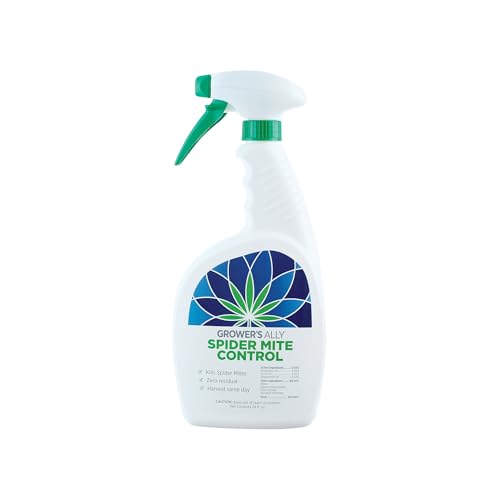
Grower’s Ally Spider Mite Spray is a ready-to-use botanical miticide and insecticide designed for plants indoors and outdoors. The formula blends rosemary, clove, and peppermint oils, providing a natural approach to stopping mite activity on contact. It is FIFRA 25(b) exempt and OMRI Listed, indicating suitability for organic gardening. The spray targets adult and nymph spider mites, potentially helping protect plant yields while avoiding synthetic residues. Use preventatively or during early mite outbreaks for best results. Safe around bees, pets, and kids when used as directed.
Earth’s Ally 3-in-1 Plant Spray

Earth’s Ally 3-in-1 Plant Spray combines insecticidal, miticidal, and fungicidal action in a single ready-to-use solution. The formula blends botanical oils to suppress a range of pests, including spider mites, aphids, whiteflies, and mealybugs, while also combating plant diseases. It supports plant health by protecting leaves from powdery mildew and other common diseases. This OMRI-listed option is suitable for both indoor and outdoor use, providing versatility for gardeners seeking an all-in-one approach with a softer environmental footprint.
Premo Guard Natural Mite Spray
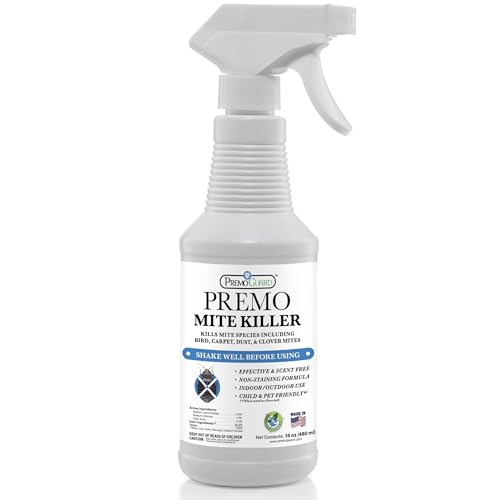
Premo Guard Natural Mite Spray employs a plant-based formulation designed for homes, farms, and other settings where mites pose a concern. The product emphasizes non-toxic ingredients and directs use around families and animals when applied as directed. It is posed as a safe, home-friendly option that can be used on bedding, furniture, and various fabrics without staining or publishing strong odors. Practical for households and farms seeking a gentle yet effective mite control method without harsh chemicals.
Bonide Insecticidal Soap
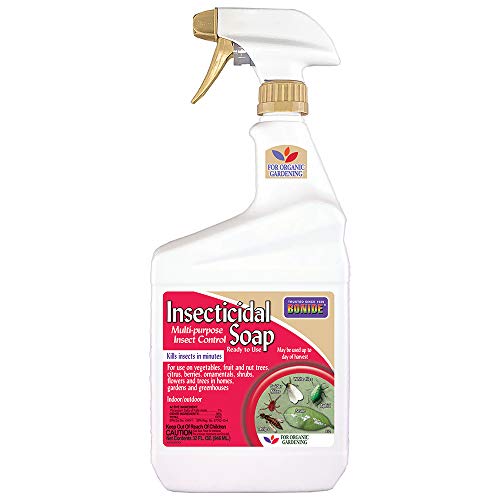
Bonide Insecticidal Soap is a multi-purpose soap spray that controls a broad range of pests, including spider mites. It works by direct contact and ingestion, allowing it to address both foliar pests and leaf-feeding insects like mites. The product is suitable for outdoor residential use in gardens, lawns, and greenhouses, as well as indoor plant settings. It is compatible with many ornamentals and edibles, making it a flexible choice for gardeners seeking a traditional, soap-based miticide/insecticide with a long-standing track record.
Mite Killer Spray by Mite-Be-Gone

Mite Be Gone’s Mite Killer Spray is a plant-based treatment designed to eradicate a wide range of mites, including human, dust, chicken, bird, and spider mites. The formulation emphasizes safety for family members, pets, and livestock when used as directed, and is marketed for home, vehicle, and farm environments. It offers a non-toxic, plant-derived approach to mite control, with a focus on reducing mite populations in and around living spaces through gentle, effective application. Suitable for households seeking an all-around mite management solution.
Buying Guide: Key Purchase Considerations
When choosing an organic spray for spider mites, consider pest pressure, plant type, application method, and safety. First, verify OMRI listing or FIFRA exemptions to ensure organic compatibility. Second, assess the plant family and crop sensitivity; some botanicals can affect delicate foliage. Third, evaluate the spray’s contact versus residual action—some products kill on contact, while others provide ongoing deterrence. Fourth, determine indoor versus outdoor suitability and pollinator safety, especially for flowering plants. Finally, check for compatibility with beneficial insects and whether multiple pests are targeted in a single product. Compare active ingredients, shelf life, and coverage per bottle to select the best fit for your garden or home.
Depth across perspectives helps ensure robust product selection. For indoor use, prioritize sprays labeled safe for pets and children and that do not leave strong odors. For outdoor gardens, consider products with broader pest coverage and longer-lasting protection. Organic options may require more frequent reapplications, so plan maintenance accordingly. Always follow label directions, conduct patch tests on plants, and rotate products to mitigate resistance.