Zone 9 gardeners enjoy mild winters and long, hot summers, which means a wide selection of flowering plants and pollinator-friendly seeds can thrive year-round. This guide highlights five Amazon-listed products that suit Zone 9’s climate, ranging from wildflower mixes to ornamental bulbs and foliage plants. Each option offers easy growth, year-round interest, and compatibility with partial shade, sun, or both. Read on to compare features and find the best fit for a vibrant Zone 9 garden.
| Product | Brand | Type | Best For |
|---|---|---|---|
| LUSH&DEW Year-Round Seed Bank | LUSH&DEW | Heirloom Seeds Kit | Year-round edible & ornamental gardening |
| Eden Brothers Partial Shade Wildflower Mix | Eden Brothers | Wildflower Seeds | Partial shade, pollinator habitats |
| Eden Brothers Bird & Butterfly Wildflower Mix | Eden Brothers | Wildflower Seeds | Pollinators, diverse color |
| Eden Brothers Cloud 9 Flower Mix | Eden Brothers | Flower Mix | All-purpose sun to partial shade |
| Easy to Grow Amaryllis Elvas | Easy to Grow | Bulb | Indoor holiday color, outdoor zones 9-11 |
LUSH&DEW Year-Round Seed Bank for Zone 9

The LUSH&DEW seed bank provides 32 types of USA-sourced heirloom seeds, including perennials, two dozen tomato varieties, culinary herbs, root crops, fruit seeds, and cold-hardy vegetables. While many seeds target year-round planting, Zone 9’s mild winters and long growing season make this kit a strong option for continuous harvest and color. The seeds are non-GMO and tested for germination within 7–14 days, with viability of 1–3 years under proper storage. This kit covers zones 3 through 9, including Zone 9’s warm climate, making it suitable for southern and southwestern gardens.
Key considerations include high germination rates, seed viability, and a mix that supports year-round gardening. Gardeners should prepare seed-starting trays, potting mix, and well-draining beds to maximize performance, particularly for tomatoes and leafy greens that thrive in Zone 9’s warmth.
Eden Brothers Partial Shade Wildflower Mixed Seeds

This 1/4 lb blend contains 27 easy-to-grow species, including Sweet William, Foxglove, Coreopsis, and other favorites. The mix is 100% pure, non-GMO, with no fillers, and is suitable for zones 3–10, including Zone 9. It’s designed for partial shade to full sun, delivering a broad palette of colors from spring through fall. The seeds cover 250–500 square feet, attracting pollinators and creating a wildlife-friendly garden. Zone 9 gardeners can expect robust blooms with relatively low maintenance requirements.
Considerations include compatibility with partial shade areas such as under deciduous trees or between taller shrubs. For best results, sow in well-prepared soil and water consistently during establishment. The mix provides a versatile option for color and ecological benefit in Zone 9 landscapes.
Eden Brothers Bird & Butterfly Wildflower Mix
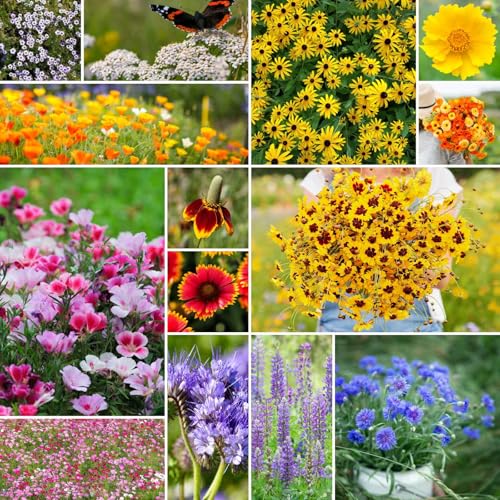
This seed mix features 16 easy-to-grow species intended to attract pollinators, including Cosmos, Indian Blanket, and various Coreopsis varieties. With 250–500 square feet of ground cover, it’s designed to bring bees, butterflies, and hummingbirds to your Zone 9 yard. The blend is 100% pure, non-GMO and suitable for zones 3–10, providing ongoing color from spring into fall. Partial shade compatibility adds flexibility for garden edges, borders, or sheltered bed areas.
Key considerations include ensuring sun exposure and soil drainage, as well as providing ongoing moisture during establishment. The blend can be paired with other perennials to extend bloom periods and support lengthy pollinator activity in Zone 9 gardens.
Easy to Grow Amaryllis Elvas Bulb

The Amaryllis Elvas bulb is a classic indoor/outdoor option for Zone 9–11. It blooms in 4–8 weeks after planting, delivering large, double flowers in white and red. Outdoor cultivation in Zone 9 is feasible, while in colder areas, the bulb can be overwintered indoors. Easy to Grow is an American company partnered with farmers, offering a reliable bulb that adds seasonal color during the darker winter months and early spring. For Zone 9 gardeners, this bulb can be a focal point in containers or beds that receive ample sun.
Considerations include light requirements, temperature tolerance, and overwintering options. Amaryllis bulbs are relatively low maintenance but require bright light and well-draining soil. They pair well with other Zone 9 ornamentals to maintain interest across seasons.
Fancy Leaf Caladium Cranberry Star

Caladiums offer striking foliage color and dramatic texture. The Cranberry Star cultivar features white-splashed leaves with red tones, adding tropical flair to shade or partial shade zones. Caladiums are well-suited to Zone 9’s mild winters and can be grown as large container specimens or accent plants in mixed borders. The large root is described, and the plant thrives in shaded or semi-shaded locations, delivering long-lasting foliage through warm seasons.
Growing considerations include soil moisture, shade availability, and seasonality. Caladiums prefer rich, well-drained soil and regular moisture. They’re ideal for underplanting in woodland gardens or water-adjacent beds in Zone 9, where humidity supports lush foliage display.
Buying Guide: Key Purchase Considerations For Zone 9 Gardeners
- Climate compatibility: Zone 9 supports long growing seasons with hot summers. Choose seeds and bulbs labeled for Zone 9 or zones 3–10 to ensure broad adaptability.
- Sun exposure: Match plant types to sun or shade. Wildflower mixes often tolerate partial shade, while bulbs like amaryllis prefer bright light, and caladiums thrive in shade.
- Pollinator value: Wildflower blends and seed mixes that attract bees, butterflies, and hummingbirds can enhance ecosystem health and garden resilience.
- Maintenance level: Seed banks and mixes vary in care requirements. Easy-to-grow options reduce maintenance for busy gardeners, while mixed plantings offer richness with varied care needs.
- Soil and water: Well-draining soil and consistent moisture support germination and establishment. Group sun-loving and shade-tolerant plants to minimize competition.
- Seasonal color: Plan for year-round interest by combining evergreen, flowering annuals, bulbs, and flowering perennials to maintain color through different seasons.
- Storage and viability: Non-GMO seeds with documented germination rates offer more reliable establishment. Store seeds in a cool, dry place to preserve viability.
- Container vs. ground: Zone 9 allows container gardening for mobility during heat waves. Containers can also help in protecting sensitive plants from heat stress or root crowding.
When choosing among these options for Zone 9, consider how each plant’s bloom period, foliage color, and pollinator appeal complement your existing garden layout. A mixed approach—combining a seed bank, wildflower mixes, and a few ornamental bulbs—can yield continuous color, ecological value, and simple maintenance across the growing season.