Fava beans are a cool-season staple for home gardens, offering lush foliage, nitrogen-fixing benefits, and delicious edible pods. The following selections represent well-loved, non-GMO, and heirloom options suited for American gardens. Each entry highlights growth habits, days to maturity, and planting specifics to help you choose the best fava bean seeds for your climate and soil.
The quick-reference table below summarizes five top choices to consider for your next planting season.
| Product | Brand | Approx. Days To Maturity | Notes |
|---|---|---|---|
| Broad Windsor Fava Bean Seeds | Isla’s Garden Seeds | 70-90 | Classic heirloom, up to 95% germination, upright growth |
| Broad Windsor Fava Bean Seeds | Mountain Valley Seed Company | 70-90 | Open-pollinated, high germination, nitrogen fixer |
| 2026 EarlyBird Fava Beans | HipGirl | 60-90 | Cool-weather preferred, early spring planting |
| Aquadulce Fava Bean Seeds | Isla’s Garden Seeds | 70-90 | Cold-hardy, versatile for raised beds and containers |
| Broad Windsor Fava Bean Seeds | Mountain Valley Seed Company | 70-90 | Edible beans and soil-improving cover crop benefit |
Broad Windsor Fava Bean Seeds – Isla’s Garden Seeds

Isla’s Garden Seeds offers Broad Windsor fava beans (Vicia faba) noted for large, flat pods and a rich, nutty flavor. The variety is described as tall and upright, suited to home gardens with rows spaced 18–24 inches apart. Planting depth is about 1 inch, and spacing is around 4 inches between plants. Days to maturity typically span 70–90 days. The seeds are non-GMO with a high germination rate and broad appeal for soups, stews, salads, and purées. This option is positioned as a strong choice for gardeners seeking heritage flavor and reliable yields.
Broad Windsor Fava Bean Seeds – Mountain Valley Seed Company
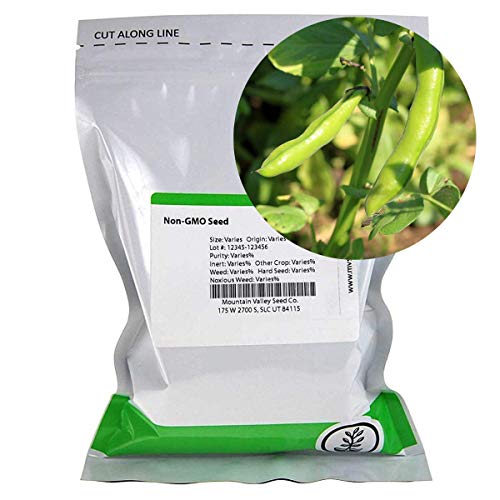
This Broad Windsor offering from Mountain Valley Seed Company emphasizes an open-pollinated, heirloom line with a high germination rate. Packaged as approximately 1 pound with around 280 seeds, it supports robust garden performance and is suitable for home vegetable plots. The seeds are non-GMO and ideal for gardeners who value traditional varieties and dependable yields, able to serve as a primary crop or a nitrogen-fixing cover crop when left to mature if desired.
2026 EarlyBird Fava Beans – HipGirl

HipGirl’s 2026 EarlyBird edition focuses on cool-season viability, with guidance to sow as soon as soils can be worked in early spring. Plant depth is around 1 inch with 4–6 inches between plants in rows spaced 18–24 inches apart, benefiting from germination temperatures around 59–68°F. For areas with milder winters, August to September sowing is suggested to extend the growing window. This option is useful for growers seeking early harvests or overlapping crops with other cool-season vegetables.
Aquadulce Fava Bean Seeds – Isla’s Garden Seeds
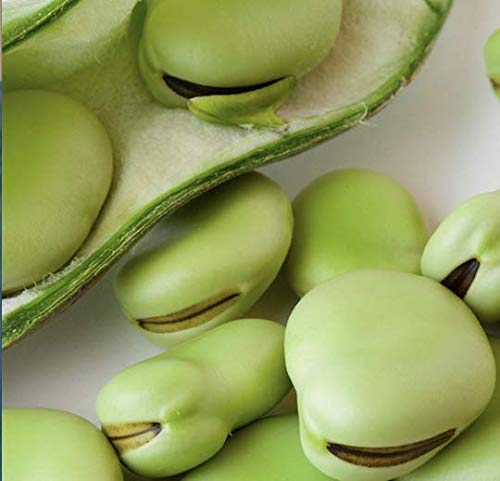
Aquadulce from Isla’s Garden Seeds is presented as a versatile, cold-hardy option suitable for both fall and spring planting. With days to maturity around 70–90 and a growth habit described as upright, these seeds benefit raised beds and backyards alike. Growth parameters suggest planting at 1 inch depth with 4 inches between seeds and rows spaced 18–24 inches apart. The variety thrives in a wide hardiness range and remains a staple for gardeners seeking reliable performance in variable climates.
Broad Windsor Fava Bean Seeds – Mountain Valley Seed Company (30 g)

This 30 g packet from Mountain Valley Seed Company emphasizes the Broad Windsor variety again, with a note on soil enrichment benefits. The plant can reach 24–60 inches in height with a spread of 6–10 inches, making it suitable for garden beds, trellised setups, or as a cover crop. The dual-purpose nature—edible beans and nitrogen fixation—appeals to gardeners who want functional crops that boost soil health while providing harvestable pods.
TomorrowSeeds Aquadulce Fava Beans

TomorrowSeeds features Aquadulce Fava Beans emphasizing cool-climate vigor and suitability for early spring or fall planting. The listing highlights a broad compatibility with home gardens and microgreens use, and positions these seeds as a sturdy option for growers seeking reliable performance in temperate regions. While similar to Isla’s Aquadulce, this alternative streamlines choices for late-season sowing windows and resilient harvests.
Buying Guide: Key Purchase Considerations and Comparisons
:
– Climate compatibility: Cool-season crops like fava beans perform best in regions with mild springs and fall cool spells. Choose varieties noted for cold tolerance (Aquadulce) or early-spring readiness (EarlyBird).
– Days to maturity: Bump up planning by selecting between 60–90 days depending on your first/final frost dates. Early varieties may yield sooner but can be more frost-sensitive in some microclimates.
– Growth habits and space: Upright varieties help with air circulation and may require trellising in compact plots. Consider row spacing of 18–24 inches for efficient bed layout.
– Soil and fertility: Many Broad Windsor and Aquadulce beans are beneficial nitrogen fixers. Plan crop rotation to minimize disease and maintain soil health. Some entries emphasize soil resilience or reduced fertilization needs.
– Seed quality and germination: Non-GMO and heirloom seeds often appeal to traditional gardeners. Look for high germination percentages and fresh packaging to maximize crop success.
– Culinary and storage versatility: Varieties vary in pod size, sweetness, and texture. Some lend themselves to microgreens, others to fresh pods or dried beans. Consider your intended use when selecting a packet size and variety.