Sharp sand, also called horticultural or silica sand, helps improve drainage, aeration, and root stability in potted plant mixes. This article highlights five top sands that are widely used by gardeners, succulent enthusiasts, and terrarium hobbyists. Each option offers natural, dye-free composition and varying particle sizes to suit different pots, terrariums, and landscape needs. Use the buying guide at the end to compare textures, usage ratios, and maintenance considerations for long-term plant health.
| Product | Size / Weight | Ideal For |
|---|---|---|
| NUPICK 1-2mm Coarse Sand (6lb) | 6 lb | Succulents, cacti, decorative potting blends |
| GARDENWISE Fine Sand For Plants (1 Quart) | 1 quart | Indoor potted mixes, terrariums, top-dressing |
| Coarse Silica Sand – Blazeclay (10 lb) | 10 lb | Terrariums, bonsai, decorative soil covers |
| NUPICK 1-2mm Coarse Sand (3lb) | 3 lb | Compact planters, quick-draining mixes |
| Boniosz 2.4 lb Fine Silica Sand | 2.4 lb | Aquariums, terrariums, bonsai and succulents |
NUPICK 1-2mm Coarse Sand — 6lb
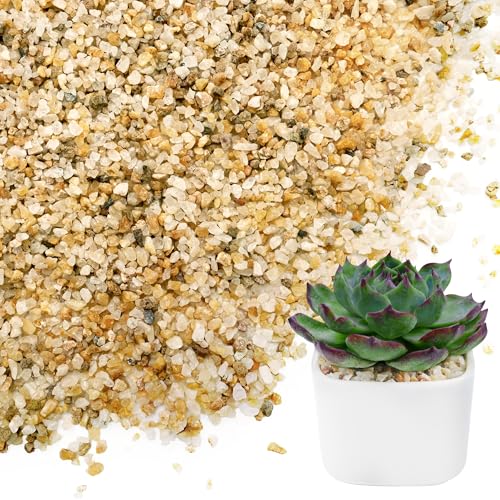
Natural & reusable coarse river sand in 1-2mm sizes is composed of durable natural silica with no dyes or artificial additives. This sand washes clean and remains stable over time, making it suitable for long-term use in potting, crafts, and decor. When mixed with potting soil at a 1:3 ratio, it enhances drainage while helping retain moisture and nutrients around roots. It also helps stabilize newly potted plants and prevent soil compaction, making it ideal for succulents, cacti, and container gardening. The golden hue adds a decorative touch without sacrificing function.
GARDENWISE Fine Sand For Plants — 1 Quart
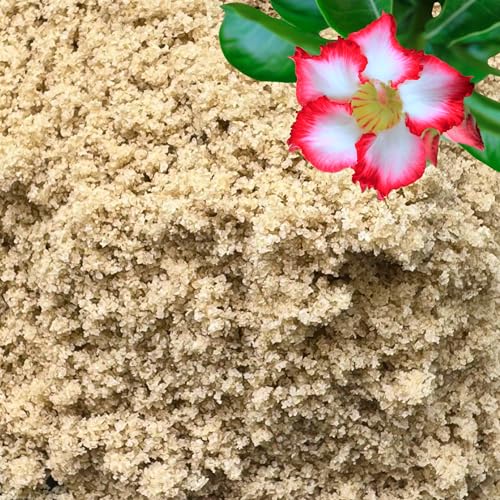
Transform your potting mix with this fine, soft-grain sand that boosts soil structure and drainage in seconds. Its gentle aeration supports stronger, faster, and healthier root systems in every pot. Particularly beneficial for succulents, cacti, and other dry-climate plants to prevent root rot and water stress. The sand also doubles as a top-dressing, providing a natural decorative touch for potted plants, Zen gardens, terrariums, and fairy gardens with a clean, polished finish.
Coarse Silica Sand — 10 lb (Blazeclay)

This coarse silica sand is positioned for both horticultural and decorative uses, offering reliable drainage and an authentic terrarium-like aesthetic. It is suitable for bonsai and cactus care, while its gravel-like texture enhances air flow to the root zone. The product also functions as a fire pit or indoor fireplace additive, providing a stable heat-retaining medium for outdoor gatherings. The natural color and texture blend well with most plant substrates and decorative uses.
NUPICK 1-2mm Coarse Sand — 3lb
Another compact option from NUPICK, this 3-pound bag provides the same natural, dye-free coarse sand suitable for small containers and terrarium applications. Its 1-2mm grain size supports proper drainage and root aeration when blended into potting mixes, helping to prevent soil compaction in crowding indoor planters. Ideal for hobbyists refining soil texture without bulky materials.
Boniosz 2.4 lb Fine Silica Sand

Boniosz offers a fine silica sand option ideal for indoor plants, aquariums, terrariums, and bonsai. The fine grain size improves drainage while helping retain water and nutrients in succulent soils. It doubles as stable bedding for decorative vases and plant displays, with compatibility for multiple living environments. Prior to first use, rinse to remove surface powder and maintain a clean growing medium.
Buying Guide: Key Purchase Considerations
- Particle size and drainage: For succulents and cacti, choose 1-2mm grains to prevent soil compaction while maintaining moisture around roots. Fine sands are better for terrariums and top-dressing.
- Purity and additives: Look for natural, dye-free silica sands with minimal processing. Avoid sands with added colors or chemical coatings that could affect plant health.
- Usage ratio: Consider mixing ratios with potting soil. A common starting point is 1 part sand to 2-3 parts potting mix to improve drainage without starving roots of moisture.
- Sterilization and washing: Rinse sands before first use to remove dust and fines. This reduces clouding in terrariums and minimizes soil-borne issues in new plantings.
- Container and climate suitability: Larger containers or drought-prone climates benefit from coarser sands for airflow. Smaller pots or humid environments can tolerate finer sands as top-dressing.
- Aesthetics and versatility: If decorative appeal matters, select sands with natural golden or tan tones that complement your planter design while delivering functional drainage.
- Reuse and longevity: Coarser sands tend to last longer in containers and outdoor planters, making them cost-effective for repeated repotting and landscaping projects.