Elevated raised beds offer better soil control, easier access, and improved drainage, making them ideal for urban patios, balconies, and backyards. This guide highlights five top-rated elevated raised beds that combine sturdy construction, practical design, and generous planting space. Each option is designed to simplify maintenance while supporting a wide range of plants—from vegetables to ornamentals—without compromising on durability or style.
| Product | Brand | Key Benefit |
|---|---|---|
| Best Choice 72x24x30in Raised Garden Bed (Natural) | Best Choice Products | Large planting area with durable all-wood construction |
| Best Choice 48 x 24 x 30 Inches Raised Garden Bed (Natural) | Best Choice Products | Long bed space with good drainage and weather resistance |
| Best Choice 72x24x30in Raised Garden Bed (Acorn Brown) | Best Choice Products | Same layout as large 72in bed with a warm, natural finish |
| LEETOLLA Elevate 32″ Tall Raised Garden Bed | LEETOLLA | Wheels and mobility for compact spaces and seniors |
| Keter Urban Bloomer 12.7 Gallon Raised Garden Bed | Keter | Self-watering gauge and integrated drainage control |
Best Choice 72x24x30in Raised Garden Bed (Natural)
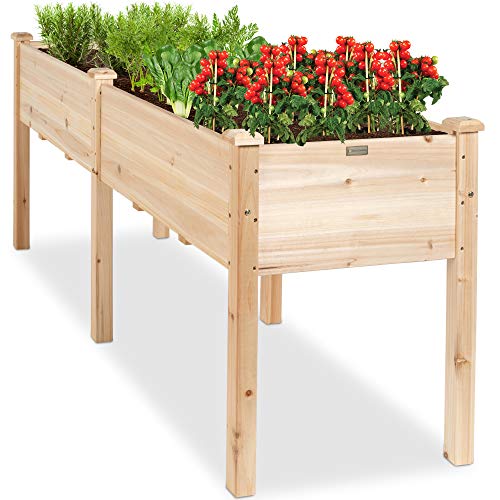
The Best Choice 72x24x30in raised garden bed offers an expansive planting area with 8.4 cubic feet of space—ample room for flowers, herbs, vegetables, and more. Its all-wood construction uses durable Chinese fir to resist weather-related warping and sagging. Six drainage holes promote aeration and help prevent root rot by allowing excess water to escape, supporting healthier, longer-lasting plant growth. This elevated design positions soil and plants at a comfortable height, reducing bending and knee strain during planting and maintenance.
Best Choice 48 x 24 x 30 Inches Raised Garden Bed (Natural)
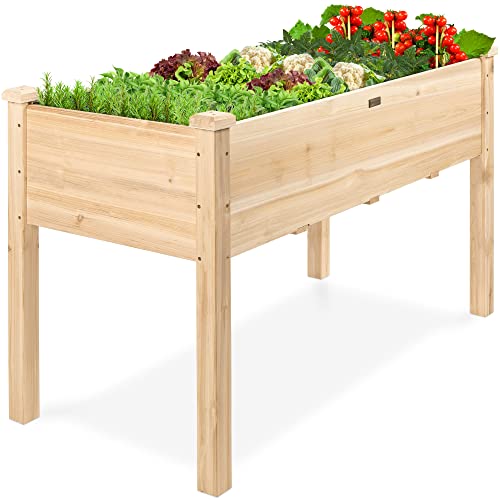
This 48 by 24-inch elevated bed provides a long, deep planting area (about 5 cubic feet) to support robust root growth. Its two-layer drainage design helps keep soil moisture balanced and prevents waterlogging, safeguarding plant health. The bed’s all-wood construction uses Chinese fir, offering a weather-resistant frame that stands up to outdoor conditions. The raised profile makes it easier to tend vegetables, herbs, and flowering perennials without excessive bending.
Best Choice 72x24x30in Raised Garden Bed (Acorn Brown)

This large elevated bed mirrors the 72×24 footprint with a warm acorn-brown finish. It features six drainage holes to promote airflow and prevent water buildup, supporting a healthy root system. The all-wood construction uses durable Chinese fir to resist warping and sagging, ensuring a stable growing surface for a wide range of plants. The elevated design makes it suitable for patios, decks, and backyards where ground space is at a premium.
LEETOLLA Elevate 32″ Tall Raised Garden Bed

LEETOLLA’s elevated bed emphasizes mobility and space efficiency. Built from powder-coated steel, it supports up to 400 pounds and resists rust for years of use. Two large wheels plus an ergonomic handle enable easy repositioning, ideal for narrow balconies or decks. The dual-layer drainage system with five holes and cross lines helps prevent waterlogging and promotes healthy root development, even in rainy seasons. The compact footprint suits apartment and urban settings where floor space is limited.
Keter Urban Bloomer 12.7 Gallon Raised Garden Bed

The Keter Urban Bloomer blends accessibility with smart features. Its dimensions suit a compact outdoor area while providing a generous planting volume for herbs and small vegetables. A built-in water gauge helps monitor soil moisture, and a drainage plug gives you straightforward control over watering. The planters’ design emphasizes ease of maintenance and a tidy, contemporary look, making it a suitable choice for modern patios, balconies, and compact backyards.
Buying Guide: Key Considerations For Elevated Raised Beds
- Material durability: Look for weather-resistant woods like Chinese fir or rust-resistant metals. Elevated beds should withstand sun, rain, and temperature changes without warping or corrosion.
- Height and accessibility: Higher beds reduce bending and are ideal for gardeners with back or knee concerns. Consider models with wheels or adjustable legs for flexibility.
- Drainage and soil depth: Adequate drainage prevents root rot. Ensure the bed offers sufficient soil depth for the chosen crops—deep root systems like beans or tomatoes require more depth.
- Weight capacity: Confirm the bed can support the weight of soil, mulch, and mature plants without sagging or warping, especially for taller or longer beds.
- Maintenance features: Built-in liners, bed liners, or water gauges simplify care. Self-watering or drainage controls can reduce watering frequency and improve consistency.
- Space and layout compatibility: Measure available outdoor space to match bed length, width, and height. Modular designs offer versatile configurations for irregular spaces.
- Assembly and durability: Check hardware quality and ease of assembly. Solid fasteners and clear instructions reduce setup time and ensure long-term stability.
- Aesthetic fit: Colors and finishes (natural wood tones, acorn brown, or metal finishes) should complement the surrounding landscape or deck.
When selecting an elevated raised bed, balance your space, crop goals, and physical comfort. For larger, ground-level planting ambitions on decks or patios, the 72×24-inch options provide expansive planting areas with robust drainage. For mobility and tight urban spaces, wheeled steel designs deliver practical convenience. Wood beds offer warmth and a classic look, while metal beds emphasize longevity and structural strength. A thoughtful combination of materials and features can optimize both yield and ease of use across various gardening environments.