Choosing the right tree fern fiber substrate is essential for orchid health, moisture control, and root aeration. This guide highlights five top options, drawing on debris-free blends, capillary action, and durable formulations that support Phalaenopsis, Phragmipedium, Dendrobium, and other epiphytes. Each product below is evaluated for moisture retention, ease of repotting, and longevity to help you pick the best fit for your collection.
| Product | Brand | Size | Key Benefit |
|---|---|---|---|
| Premium New Zealand Tree Fern Fiber (Debris Free) Growing Medium | Tezula Plants | 1 gallon | Debris-free, uniform texture, strong capillary action |
| Premium New Zealand Tree Fern by Gardenera (2 Quart) | Gardenera | 2 quart | Natural wicking action, moisture retention with good aeration |
| DUSPRO Tree Fern Fiber Board (2 pcs) | Duspro | 2 boards | Water/nutrient absorption, long-term durability |
| Fern Wood New Zealand Tree Fern Soft Orchid Substrate (10L) | Generic | 10 L | Soft substrate, holds moisture for humidity and aeration |
| Gardenera Premium Tree Fern Substrate (1 Quart) | Gardenera | 1 quart | Capillary action, reduced watering needs |
Premium New Zealand Tree Fern Fiber (Debris Free) — Tezula Plants
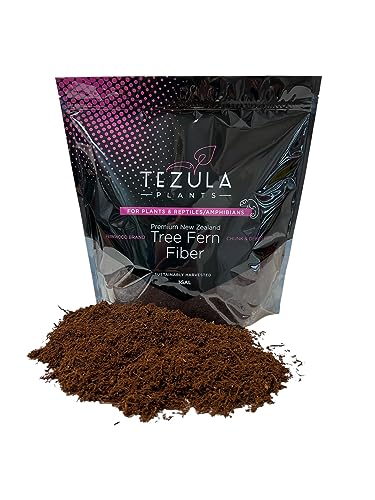
The Tezula Plants debris-free tree fern fiber is graded to remove debris and chunks, resulting in a uniform mix that simplifies repotting. It excels for orchids and tropical epiphytes, promoting even water distribution through natural capillary action. This substrate supports strong root development by minimizing dry zones and soggy pockets, helping plants access consistent moisture and nutrients.
Premium New Zealand Tree Fern by Gardenera — Orchid and Epiphytal Substrate (2 Quart)

Gardenera’s 2-quart orchid substrate emphasizes capillary action to wick moisture evenly through the mix, ensuring accessibility of water and nutrients to every root area. It’s designed to reduce the frequency of watering while maintaining adequate moisture and aeration, a key balance for Phalaenopsis, Phragmipedium, Dendrobium, and other epiphytic plants. The formula helps prevent both under-watering and over-watering, supporting consistent growth.
DUSPRO Tree Fern Fiber Board for Orchids and Climbing Plants

Duspro offers tree fern fiber boards that function as mounts or substrate blocks for orchids and climbing plants. These boards are valued for their water absorption capability and nutrient retention, acting as a reservoir for roots while remaining reusable over years. The product emphasizes long-term viability and the ability to repurpose boards as plants mature or are rearranged in displays.
Fern Wood New Zealand Tree Fern Soft Orchid Substrate (10L) — Generic
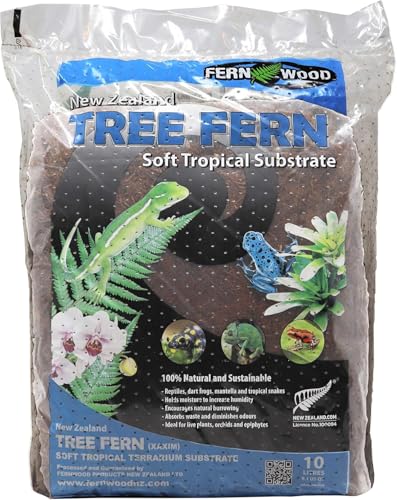
This soft orchid substrate from Fern Wood is available in a 10L bag, designed for aeration and longevity. It holds moisture to create a favorable humidity level around orchid roots while allowing sufficient air spaces. It’s suited for a range of epiphytic plants and can be used in terrariums or mounted displays where humidity management is important.
Premium New Zealand Tree Fern by Gardenera — Orchid Substrate (1 Quart)

Gardenera’s 1-quart orchid substrate combines capillary action with stable moisture retention. It’s designed to deliver even moisture distribution across the root zone, helping epiphytic plants maintain steady hydration without becoming oversaturated. The formula supports robust growth while reducing the need for frequent watering, making it suitable for busy hobbyists and collectors alike.
Buying Guide: Key Purchase Considerations
- Moisture management: Look for substrates with natural capillary action to distribute water evenly and prevent dry zones or soggy pockets that can stress roots.
- Particle size and texture: Debris-free or fluffy mixes tend to repot more easily and provide good aeration for orchid roots; firmer boards can offer long-lasting mounting options for climbers.
- Longevity and reusability: Some tree fern products are designed for multi-year use (especially boards and long-lasting substrates), reducing repotting frequency.
- Aeration vs. water retention: A balanced mix that holds enough moisture while allowing air to reach roots supports healthier growth, particularly for high-humidity environments.
- Plant compatibility: Most options target epiphytic orchids, but some boards and substrates also suit aroid and tropical plant varieties. Ensure the product matches your plant lineup.
- Application method: For mounted displays, boards can be preferred; for potted orchids, softer substrates may be easier to work with. Consider your setup and maintenance routine.
- Maintenance needs: Debris-free substrates reduce decay and cleanup, while nutrient retention can influence fertilization frequency. Choose based on your care schedule.
- Size and scope: Quart and gallon sizes suit hobbyists with a few plants; larger bags fit collectors with extensive orchid collections and terrarium setups.
What to Consider When Comparing Options
- Form factor: Do you prefer loose substrate for pots or rigid boards for mounting?
- Watering needs: Some substrates reduce watering frequency, while others require more frequent checks—align with your climate and routine.
- aesthetic compatibility: Natural, rustic textures blend with indoor decor and terrariums; consider how the substrate will look in display settings.
- Availability and price stability: Check if the product is regularly stocked and whether bulk purchases offer better value for larger collections.
Overall, opting for a debris-free, capillary-action substrate can aid orchid health by ensuring even moisture distribution and robust aeration. For mounted displays, consider the tree fern boards for their durability and long-term reuse. For pots, select a softer, moisture-retentive mix that keeps root zones evenly hydrated without oversaturation. Matching your plant variety, humidity level, and maintenance schedule will help maximize bloom potential and plant vigor over time.