Finding the right electric fence system for a garden means balancing reliability, ease of use, and cost. This guide reviews five top options that suit American gardens, from compact backyard plots to larger edible gardens with small livestock. Each pick is evaluated on power, durability, and suitability for garden protection, with a practical buying guide to help you compare features, installation needs, and maintenance considerations.
| Product | Key Benefit | Ideal For |
|---|---|---|
| Happy Henhouse Electric Fence Charger | Strong 110V plug-in power; up to 2 miles of fence | Chickens, small gardens, predator deterrence |
| 0.12 Joule Electric Fence Charger by ANDMON | Low-maintenance AC-powered energy; broad coverage | Gardens, backyards, small livestock |
| Blulu 14 Gauge Aluminum Fence Wire | High conductivity; corrosion-resistant aluminum alloy | Large garden perimeters, flexible fencing material |
| 10 Miles Solar Electric Fence Charger (ANDMON) | Portable solar power; up to 2 miles of fence | Remote or seasonal gardens, off-grid setups |
| Gallagher S6 Solar Electric Fence Charger | Solar-powered, lithium battery; compact design | Gardens, coops, and pet enclosures |
Happy Henhouse Electric Fence Charger

The Happy Henhouse unit is a powerful plug-in energizer designed for gardens, small farms, and chicken coops. It operates on 110V AC, eliminating the need for sun exposure or batteries. A key feature is a safe, pulsed deterrent with a compact output of 0.25 joules, which aims to dissuade curious predators and protect both crops and free-ranging poultry. It is rated to run up to two miles of single-wire fencing, allowing straightforward installation on posts or walls. This model emphasizes ease of setup and consistent performance for everyday garden protection.
Power reliability is a central advantage for this charger. Since it plugs into standard electrical outlets, it avoids the maintenance and replacement costs associated with solar or battery-powered units. The design prioritizes quick mounting and minimal wiring complexity, making it suitable for gardeners who want a dependable perimeter without elaborate infrastructure. This unit is best used in areas with reliable electricity access and where rapid deterrence is desired to prevent crop damage by wildlife or domestic animals.
0.12 Joule Electric Fence Charger (ANDMON)

This AC-powered energizer from ANDMON delivers 0.12 joules of pulse energy, designed to cover up to 2 miles or 8 acres. It emphasizes safety and reliability with IP54 housing that resists rain, dust, and weather. The unit is built for year-round use in a garden or backyard, with a focus on long-term performance and low maintenance. It supports a variety of wire types, making it a flexible option for gardeners who need dependable deterrence without frequent upkeep.
With a robust weather rating and the ability to withstand adverse conditions, this charger is well-suited to gardens that encounter varying climates. Its efficiency makes it a practical investment for gardeners seeking a balance between energy efficiency and sufficient deterrence for common garden intruders. For those evaluating long-term cost of ownership, the low maintenance profile is an important factor to consider.
Blulu 14 Gauge Aluminum Electric Fence Wire

This aluminum magnesium alloy fence wire provides high conductivity with excellent durability. Each package contains 1,000 feet—ample length for securing large garden perimeters or creating multiple containment zones. The wire is designed to resist rain and corrosion, helping maintain electricity transmission over time. Its low resistance supports efficient current flow, improving the effectiveness of deterrence when paired with an energizer.
Garden planners can use this wire as either a primary fencing line or as part of a multi-wire setup. Its robust construction helps minimize breakage and maintenance, which is particularly valuable in areas with windy conditions or hammering wildlife pressure. When selecting a wire, ensure compatibility with your energizer’s voltage and the planned fence layout for optimal performance.
10 Miles Solar Electric Fence Charger (ANDMON)

This solar-powered charger offers portability and independence from the electrical grid. It can energize up to 2 miles of fencing, making it suitable for gardens that require flexible placement or off-grid operation. The built-in solar panel and GEL battery are designed to provide power in varied light conditions, supporting continuous protection around the clock. This unit is ideal for seasonal gardens or rural settings where access to mains power is limited.
The solar approach reduces ongoing energy costs and aligns with eco-friendly garden management. Installation is straightforward, often involving mounting on a sturdy stake or rod. For best results, consider the sun exposure and the soil’s ability to ground the fence system, as solar units depend on both lighting and grounding to function reliably.
Gallagher S6 Solar Electric Fence Charger
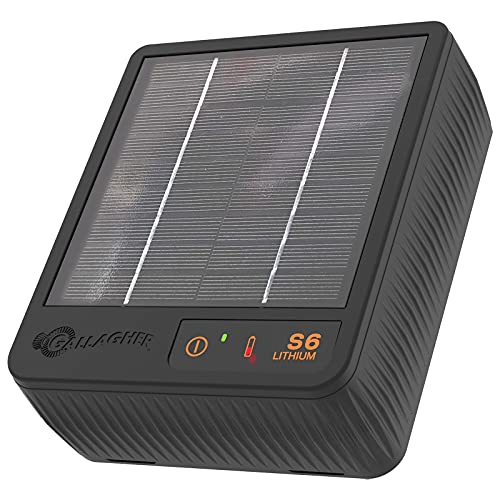
Compact and solar-powered, the Gallagher S6 is designed for gardens, chicken coops, goat pens, and pet enclosures. The unit uses a built-in lithium battery and mounts directly to a grounding rod, delivering a quiet yet effective perimeter deterrent. It is particularly attractive for backyard setups where space is at a premium and where a neat, low-profile system is preferred.
Grounding is essential for optimal performance, so proper installation on an unpainted grounding rod (up to 0.5″ diameter) is recommended for best results. The solar charging capability ensures operation during low-light periods, and the lithium battery provides extended life between charges. For gardens that require ongoing animal control with minimal maintenance, this unit offers a balanced solution.
Buying Guide: Key Purchase Considerations
Power and coverage: Determine the length and layout of your garden fence, and choose an energizer that can reliably cover that distance. Consider whether a plug-in, solar, or hybrid model best fits your site’s electricity access and climate. A higher joule rating generally delivers stronger deterrence, but smaller gardens may be well-served by mid-range energizers.
Voltage stability and safety: Look for outputs that maintain a consistent pulse without harming pets or wildlife. IP ratings and weather seals are important if you live in rainy or dusty areas. A clear status display helps you monitor voltage and detect faults quickly.
Durability and weather resistance: Gardens experience sun, rain, and temperature shifts. Choose enclosures with rugged housings and materials that resist corrosion and temperature swings. Solar options should specify battery life and panel efficiency under typical winter and cloudy conditions.
Installation and maintenance: Plug-in models simplify setup but require reliable power. Solar units offer off-grid flexibility but need proper mounting and grounding for efficiency. Wires and fencing materials should be compatible with the energizer’s output and recommended wire types to maximize current delivery.
Cost of ownership: Consider initial cost plus ongoing energy or battery replacement costs. Solar units may cost more upfront but often save on electricity in the long term. Maintenance needs, spare parts availability, and warranty coverage are also important considerations for garden users.
Wildlife considerations: Some animals respond better to pulsed deterrence than continuous voltages. For gardens with poultry or pets, ensure the system deters predators without causing harm. If you have sensitive wildlife or households with small children, review safety features and user recommendations for safe operation.
Installation footprint: Assess space and visibility. Solar units may require good sun exposure and a sturdy mounting point. Wire management is essential to prevent tripping hazards and ensure neat, durable fencing around garden beds.