Palm trees face a variety of diseases—from powdery mildew to leaf spots and blights. This guide highlights five effective fungicides suitable for palm care, with objective comparisons of how each product protects foliage, roots, and overall plant health. The selections emphasize plant safety, environmental considerations, and practical application for home gardens and landscapes.
| Product | Brand | Key Benefit | Notes |
|---|---|---|---|
| Southern Ag Liquid Copper Fungicide, 32oz | Southern Ag | Broad-spectrum disease control including bacteria and fungi | Good for hose-end sprayers; moss/algae control labeled |
| Grower’s Ally Fungicide Spray | Grower’s Ally | Natural, OMRI-listed plant protection against powdery mildew | Citric acid-based; organic gardening compatibility |
| Earth’s Ally Disease Control Concentrate | Earth’s Ally | Powdery mildew and other common plant diseases | Citric acid-based; safe for people, pets, and plants |
| Trifecta Crop Control | Trifecta | All-in-one natural fungicide, miticide, insecticide | Powerful, concentrated formula; broad-spectrum |
| Garden Safe Brand Fungicide3 | Garden Safe | Organic-friendly fungicide, also protects against some pests | Neem-oil-based; suitable for organic gardening |
Introduction: Palm trees are a valued feature of landscapes, courtyards, and outdoor spaces across America. When diseases threaten fronds and overall health, selecting a fungicide that combines efficacy with plant safety is essential. The five products highlighted here cover traditional copper-based control, natural and organic options, and broad-spectrum compounds. They can help manage common palm diseases such as leaf spots, blights, powdery mildew, and fungal infections with practical application guidance for both hobbyists and professional landscapers.
Southern Ag Liquid Copper Fungicide For Palms
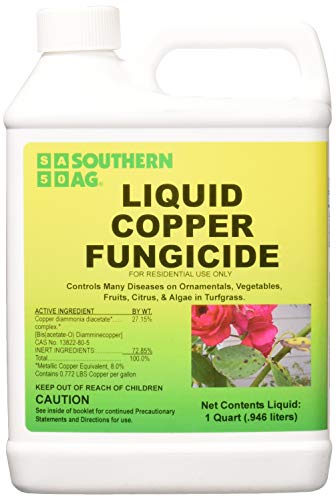
Southern Ag Liquid Copper Fungicide provides broad-spectrum protection against diseases caused by bacteria and fungi. The 32-ounce formulation is designed to mix well with hose-end sprayers, enabling efficient coverage of tall palm fronds and trunk areas. In addition to disease control, the product is labeled for moss and algae management, which can be useful in humid climates where palms are prone to algal growth on leaf surfaces. When applied according to label directions, it can help maintain foliage integrity and reduce the spread of airborne and contact pathogens. The copper-based chemistry is known for rapid action on many fungal pathogens common to palms, though repeated use should be balanced with resistance considerations and plant tolerance goals.
Application tips for palms: target both the underside of fronds and the crown shaft where infections often start. Start with a thorough physical inspection to identify symptomatic fronds and treat promptly to prevent spread. For sandy or well-draining soils, avoid over-application near the root zone to protect beneficial soil biology. Always follow label instructions for spray intervals and dilution rates.
Grower’s Ally Fungicide Spray For Plants

Grower’s Ally Fungicide Spray combines natural, plant-safe ingredients with proven fungal control. It is an OMRI-listed option that leans on citric acid as a primary active component, offering a broad-spectrum defense against powdery mildew and related pathogens. The absence of synthetic solvents and heavy metals makes it a favorable choice for gardeners seeking organic-compatible protection for palms in residential landscapes. Its preventative action is notable: when sprayed as a barrier on leaf surfaces, it can inhibit pathogen establishment and growth, contributing to healthier fronds and fewer disease outbreaks over time.
Practical considerations for palm care: use as a preventative treatment during times of high risk, such as humid mornings or after irrigation events. Avoid foliar oversaturation to prevent leaf burn, especially on varieties with sensitive fronds. While effective against a range of pathogens, it is best used as part of an integrated disease management plan that includes proper spacing, pruning of infected tissue, and routine sanitation of fallen leaves around the base of the palms.
Earth’s Ally Disease Control For Plants

Earth’s Ally Disease Control is a citric acid-based fungicide designed to treat and prevent common plant diseases, including powdery mildew, blight, and leaf spots that can afflict palm fronds. The formulation emphasizes safety for people, pets, and the planet while delivering effective disease suppression. As a natural option, it offers an appealing profile for households seeking minimal chemical residue while maintaining plant health. For best results, apply on dry foliage during mild weather and reapply as needed based on disease pressure and product label guidance.
Key usage notes: use as part of an integrated disease-management approach that includes proper pruning, sanitation, and adequate spacing between palms to improve air circulation. Because it relies on natural active ingredients, multiple applications may be needed during active disease periods, especially in humid climates where palm diseases persist longer.
Trifecta Crop Control For Palms

Trifecta Crop Control is an all-in-one solution offering fungicidal, miticidal, and insecticidal action. This natural formula is designed for use on a broad range of crops, including palms, delivering protection against powdery mildew, mites, Botrytis, and mold. The product is highly concentrated, with the guideline that every half ounce makes a gallon of ready-to-use spray. For palm care, this means efficient coverage with minimal mix-and-apply effort. The no-rinse, no-residue feature is advantageous for home landscapes where palm foliage receives frequent irrigation and rainfall. It’s important to tailor applications to the specific palm species and local disease pressure to maximize efficacy without stressing the plants.
Operational tips: mix as directed with water, apply evenly to upper and lower leaf surfaces, and avoid applying during extreme heat. Rotate products within your disease-management program to reduce the risk of resistant pathogens and to maintain broad-spectrum effectiveness over the growing season.
Garden Safe Fungicide3 For Palms

Garden Safe Fungicide3 combines neem oil with fungicidal action to provide organic-friendly disease control for palms. The product is designed for use around home gardens and ornamental trees and shrubs, offering a three-in-one approach: fungicide, insecticide, and miticide. This can be useful for home landscapes where palms encounter multiple pest and disease pressures. Neem-based formulations tend to be gentler on beneficial organisms and reduce the risk of chemical residues, aligning with sustainable gardening practices. For best results, apply during cooler parts of the day to reduce leaf burn risk and ensure thorough coverage of both fronds and trunk regions where pathogens may reside.
Recommendations for palm use: pair with proper pruning to improve airflow and reduce humidity around the canopy. Monitor palms for persistent symptoms, and rotate with other effective products to prevent resistance. Organic gardeners should follow local regulations and labeling for safe and compliant usage in their region.
Buying Guide: Key Purchase Considerations For Palm Fungicides
Choosing the right fungicide for palm trees involves balancing disease targets, safety, and practicality. The following perspectives help buyers evaluate options and select products that fit their landscape goals.
- Active ingredients and spectrum: Copper-based products provide broad bacterial and fungal control but may require careful timing to minimize phytotoxicity on sensitive palm varieties. Natural and organic options like citric acid-based sprays offer safety and environmental advantages but may need more frequent applications during high disease pressure.
- Safety and compatibility: For homes with children, pets, or edible palms, consider OMRI-listed and organically approved products. Neem oil and citric acid formulations tend to be gentler on non-target organisms while still addressing common diseases.
- Application method and coverage: Palm trees present large canopies; sprays that work well with hose-end systems or ready-to-use concentrates can simplify coverage. Ensure label directions specify coverage areas, particularly for tall palms and shaded microclimates.
- Resistance management: Rotate among products with different modes of action to minimize resistance development in fungal populations. Avoid continuous use of a single product beyond label guidelines.
- Environmental conditions: Humidity, rainfall, and temperature influence disease development on palms. Plan treatments for periods of higher disease risk and avoid applications immediately before heavy rain, which can wash away active ingredients.
- Integrated disease management: Fungicides are most effective when combined with pruning, sanitation (removal of infected fronds), proper irrigation practices, and improved air circulation around the canopy.
In summary, the best fungicide choice for palm trees depends on your climate, palm species, disease pressure, and preference for organic versus conventional products. The five products reviewed provide a spectrum of options—from copper-based and broad-spectrum natural formulations to integrated control sprays—allowing palm caretakers to tailor their protection strategy for healthy, vigorous palms.