Sedum ground covers combine drought tolerance, easy care, and year-round interest, making them ideal for sunny beds, rock gardens, or living wall projects. Below are five readily available sedum options from well-known suppliers, each with distinct bloom colors and growth habits to help you choose the best fit for your landscape.
Summary at a glance
| Product | Brand | Growth Habit | Light | Typical Use |
|---|---|---|---|---|
| Live Sedum Succulent Mat | Plants for Pets | Mat-forming | Full Sun | Ground cover, borders, green roofs |
| Sedum ternatum (Woodland Stonecrop) | Perennial Farm Marketplace | Low mound | Part Sun to Full Shade | Shade-tolerant ground cover |
| Sedum x ‘Autumn Joy’ | Perennial Farm Marketplace | Upright clumps | Full Sun | Borders, mass ground cover |
| John Creech Sedum 72 Cell Plug Flat | Moonshine Designs Nursery | Plug flats for easy spacing | Full Sun | Starter plugs for quick establishment |
| Sedum spurium ‘Voodoo’ | Perennial Farm Marketplace | Trailing, spreading | Full Sun | Ground cover along paths or rock gardens |
These selections emphasize low water needs, tough enduring foliage, and seasonal color shifts that appeal to native and ornamental gardens alike. Each entry includes a direct product link and a visual reference to help you compare at-a-glance suitability for sun exposure, soil type, and space available.
Live Sedum Succulent Mat By Plants For Pets
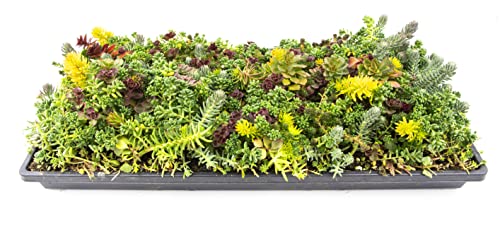
Use these decorative plants in outdoor landscaping, patios, or as a sedum tile border. They work well in succulent wall decor and green roof projects. The sedum mat combines hardy, low-water succulents that grow together with other real plants. They also suit indoor display on a sunny windowsill for natural decor. This mat-forming assortment is ideal for easy-to-maintain ground cover in sunny areas, mixing well with other small houseplants and cacti.
Sedum ternatum (Woodland Stonecrop) Groundcover

Hardy in USDA zones 4-9, this ground cover thrives in part sun to full shade and features dark green succulent leaves with star-shaped white flowers in May. It forms a 6-inch-thick evergreen mat that works well against tree roots or creeping into rock gardens. It tolerates moist soil and requires modest maintenance, making it a versatile option for shaded landscapes. Plant about 12 inches apart to establish a uniform carpet.
Sedum x ‘Autumn Joy’ (Stonecrop) Groundcover

Hardy in USDA zones 4-9, this full-sun perennial forms rosy blooms above fleshy blue-green foliage from late summer into autumn. It’s drought-tolerant and widely used as a mass ground cover or in borders. Expect 18 inches of spread as it matures, with butterfly-attracting flowers that add seasonal color to decks, patios, and rock gardens. Space plants about 18 inches apart for best coverage.
John Creech Sedum 72 Cell Plug Flat Groundcover

Moonshine Designs Nursery offers a 72-cell plug flat designed for quick establishment in sunny locations. These plugs are very drought-tolerant perennials that can be transplanted into a larger ground cover bed. Ideal for gardeners who want to build a dense sedum carpet over time, starting from uniform starter plants that mature into a robust, low-maintenance spread.
Sedum spurium ‘Voodoo’ (Stonecrop) Groundcover
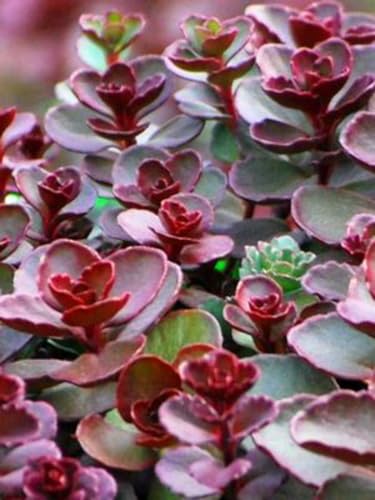
Hardy in USDA zones 3-9, this full-sun ground cover produces bold mahogany-red foliage and rosy-red flowers in summer. The spreading habit grows 4-6 inches tall and fills quickly along paths or in rock gardens. Drought-tolerant characters make it a striking, low-maintenance option that adds dramatic color for several seasons. Plant about 12 inches apart for even coverage.
Buying Guide: Sedum Ground Covers For Your Landscape
Key considerations help ensure you select a sedum that meets your climate, soil, and design goals:
- Site conditions: Most sedums prefer full sun and well-drained soil. In shadier spots, select varieties known for better shade tolerance, such as Sedum ternatum.
- Watering needs: Sedums are drought-tolerant, but new plantings benefit from regular moisture until established. Mulching helps retain moisture and suppress weeds.
- Growth habit and spacing: Ground-hugging mats suit pathways and borders, while trailing or upright forms work for slopes and rock gardens. Plan spacing based on mature width—most range from 12 to 24 inches.
- Bloom and color: Flower colors vary by cultivar—from white and yellow to pink and red. Consider bloom timing to extend visual interest across seasons.
- Soil compatibility: Sedums tolerate poor soils; avoid heavy clay if drainage is poor. A light amendment with sand or grit improves drainage.
- Maintenance: Sedums generally require minimal pruning. Remove dead stems after blooming to encourage fresh growth and clearer beds.
- USDA zones and accessibility: Check hardiness zones and any shipping restrictions for your area, especially for certain cultivars.
- Landscape goals: Use sedums for ground cover, erosion control on slopes, green roofs, or as accent plants in containers and borders.
In summary, the listed products provide a spectrum of textures, colors, and growth patterns suitable for durable ground covers. When choosing, match the plant’s growth habit, bloom timing, and sun tolerance to your garden’s conditions to achieve a cohesive, low-maintenance display.