Grow your own crisp cucumbers and aromatic dill to craft fresh, homemade pickles. This guide highlights reliable, garden-tested seeds ideal for American home gardens, from classic pickling cucumbers to flavorful dill for brines. Each selection emphasizes strong germination, disease resistance, and steady yields for pickling and delicious eating.
Summary at a glance:
| Product | Type | Germination / Maturity | Best for |
|---|---|---|---|
| Sow Right Seeds National Pickling Cucumber | Cucumber | 7-10 days; 55-65 days | Self-pollinating, trellis-friendly |
| TomorrowSeeds Parisian Gherkin | Cucumber | Fast-growing; pickling-friendly | Compact spaces; baby cucumbers |
| 100 Boston Pickling Cucumber Seeds | Cucumber | 55 days | Bulk planting, heirloom flavor |
| National Pickling Cucumber Seeds (50) | Cucumber | 52 days | Envelope-packaged; easy to grow |
| Dill Seeds For Planting – Bouquet Dill | Dill | Typical germination with quick sprout | Flavorful brines and fresh use |
Sow Right Seeds National Pickling Cucumber Seeds
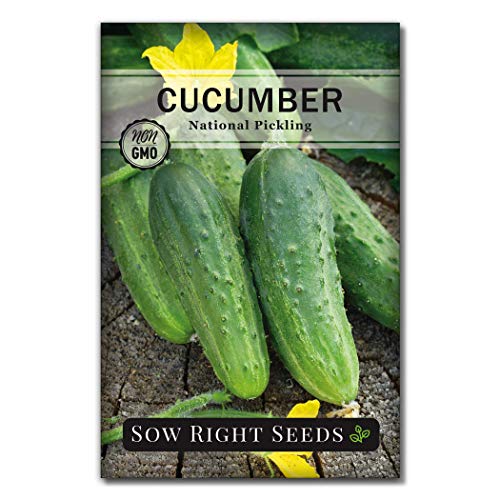
Beautiful, burpless National Pickling cucumber seeds offer a heavy-producing, self-pollinating variety suited for pickles and fresh eating. The packet contains around 39 seeds with a minimum of 1 gram per packet. This variety is designed for zones 4-12 and reaches about 12 inches tall with a 36-inch spread. Cucumber fruits mature in 55-65 days. For optimal yields, grow in full sun and consider trellising to save space and improve air circulation. The seeds germinate in 7-10 days when soil temperatures exceed 70°F. Sweet skins do not require peeling, making them a practical choice for quick pickling or fresh snacking.
TomorrowSeeds Parisian Gherkin Cucumber Seeds

Parisian Gherkin cucumbers are ideal for pickling and fresh snacking. This TomorrowSeeds selection emphasizes a compact, bush-type plant that thrives in limited spaces or containers, making it suitable for patios or small gardens. The variety is fast-growing, allowing for quick harvests of a tangy, crunchy pickle. If you prefer traditional baby cucumbers with a crisp bite, this seed line is a strong contender, especially when you want a concentrated harvest without dedicating large garden real estate.
100 Boston Pickling Cucumber Seeds

Boston pickling cucumbers are prized for classic pickling flavor and reliable performance. The product line from Instant Latch emphasizes heirloom-style seeds with a typical 3″ to 6″ fruit length and days to maturity around 55. These seeds are suited to full sun and warm-season planting. The envelope-style packaging promotes easy storage and year-to-year planting plans. For gardeners seeking traditional pickle cucumbers, this option provides dependable germination and consistent yields across a growing season.
100 Boston Pickling Cucumber Seeds for Planting

This listing emphasizes bulk availability with a focus on non-GMO, heirloom-oriented seeds suitable for American gardens. The name highlights 3 grams of seeds, designed for straightforward planting and robust yields. While the exact days to maturity aren’t specified in the features, the product line aligns with traditional pickling cucumbers that perform well in warm-season conditions and harvest windows suitable for fresh eating and pickling alike.
National Pickling Cucumber Seeds – 50 Seeds

This package offers 50 seeds of a non-GMO pickling cucumber variety, noted for envelope delivery packaging. With an estimated 52 days to maturity, these seeds suit gardeners who want a simple, reliable option for a mid-season harvest. The emphasis on non-GMO genetics aligns with conventional preferences for traditional pickling crops, providing a familiar flavor profile ideal for brining and refrigerator pickling projects.
Dill Seeds For Planting – Bouquet Dill Seed

Bouquet Dill seeds from Survival Garden Seeds offer high germination and dependable growth for culinary uses, including pickling. Dill provides feathery foliage and fragrant seed heads that enhance classic pickle flavors. The seeds are easy to grow, with full-sun adaptability and quick sprouting, making this a suitable choice for beginners and seasoned gardeners alike. Fresh dill is a staple for tzatziki, dressings, fish preparations, and, of course, pickles, providing an essential herbal component to brine flavor.
Buying Guide: Key Purchase Considerations And Comparisons
- Type and purpose: Choose cucumber seeds if you mainly want pickles. Dill seeds are essential if you plan to flavor your brine and add fresh herb notes. Some gardeners prefer a mix of both for a complete pickle project.
- Germination and days to maturity: Look for seeds with reliable germination windows (often 7-20 days) and maturity between 50-65 days for cucumbers. Faster varieties allow multiple harvests in a single growing season.
- Space and support: Bush or compact cucumber varieties work well for containers or small gardens. Trellising can increase yield and improve air circulation to reduce disease risk.
- Non-GMO and heirloom considerations: Non-GMO seeds align with many home gardeners’ preferences. Heirloom varieties often offer classic flavors but may require more attention to disease resistance and soil conditions.
- Climate and zones: Ensure the seeds are suitable for USDA zones 2-12 as listed by suppliers. Gardeners in cooler regions may benefit from season extension techniques or starting indoors.
- Storage and seed count: Packets vary from around 1 gram (≈39 seeds) to larger lots. Consider your planned harvest size and storage space when selecting quantity.
- Flavor and use: For pickling, cucumbers with crisp texture and a mild, briny flavor are ideal. Dill varieties add aromatic seeds and leaves, enhancing the overall pickle profile.
- Storage conditions: Keep seeds in a cool, dry place to maintain germination rates. Proper labeling helps prevent mixing varieties, especially when growing multiple herbs and cucumbers together.
- Garden planning: Alternate rows of cucumbers with Dill or other herbs to maximize space and create beneficial microclimates. Companion planting can aid in pest management and overall harvest quality.