Hydrangeas thrive in acidic soils, where proper nutrition supports vibrant blooms and deep blue flowers. This guide highlights the best acidic fertilizers and soil acidifiers that help hydrangeas, azaleas, rhododendrons, and other acid-loving plants reach their full potential. Each product below is evaluated for acidifying action, nutrient balance, and ease of use, so you can choose with confidence for a healthier garden.
Summary of selected products:
| Product | Brand | Key Benefit | Soil Impact |
|---|---|---|---|
| GARDENWISE 8-4-8 Acidic Fertilizer | GARDENWISE | Iron-rich formula prevents chlorosis and enhances blooms | Soil acidifier with microbial-enhanced bio-solid |
| Scotts Miracle-Gro Miracid | Scotts | Instant feeding for acid-loving plants | Acid-loving plant food with dual-action |
| Hydrangea Fertilizer 8 oz (TPS NUTRIENTS) | TPS NUTRIENTS | Complete fertilizer for lush growth and blooms | Easy-to-use liquid formula |
| True Organic Soil Acidifier | True Organic | Lowers soil pH for blue hydrangeas | Soil acidifier suitable for acid-loving plants |
| Espoma Holly-Tone | Espoma | Long-lasting organic nutrition for acid lovers | Natural organic with Bio-tone |
The following sections cover five top-rated products. Each entry includes a concise description, notable features, and practical use guidance to support robust hydrangea growth and color diversity.
GARDENWISE 8-4-8 Acidic Fertilizer For Acid-Loving Plants

GARDENWISE 8-4-8 is formulated to support hydrangeas, azaleas, rhododendrons, camellias, and other acid-loving plants. Its mineral mix includes magnesium, iron, and manganese to combat chlorosis and promote vibrant foliage and blooms. The product also serves as a soil acidifier, creating conditions favorable for blue hydrangea flowering and improved nutrient uptake. A distinctive feature is its bio-solid content, which introduces live microbial life to the soil, potentially enhancing nutrient cycling and soil health. For best results, apply according to package directions during the growing season and water thoroughly after application.
Key considerations:
- Ideal for chlorosis-prone acid lovers and blueberries as well as ornamentals.
- Combines nutrition with soil acidification for multi-faceted improvement.
- Biomicrobial component supports ongoing soil vitality but should be used as directed to avoid over-application.
Scotts Miracle-Gro Miracid Acid-Loving Plant Food
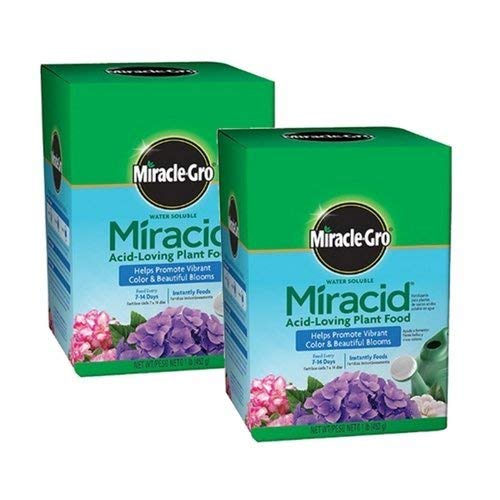
Miracle-Gro Miracid is a water-soluble formula designed for immediate uptake by acid-loving plants, including hydrangeas, azaleas, and rhododendrons. The product supports rapid root and foliar feeding, helping to boost blooms and vigor during peak growth periods. The dual feeding action covers both root uptake and leaf absorption, which can be beneficial for nutrient-deficient soils. It’s especially convenient for container plantings or mixed-border gardens where quick adjustments in soil acidity and nutrient availability are desired.
Practical guidance:
- Best used when rapid foliage and bloom response is needed.
- Follow label instructions for dilution to prevent fertilizer burn.
- Suitable for indoor and outdoor acid-loving plant care.
TPS NUTRIENTS Hydrangea Fertilizer For Acid Loving Plants

This liquid plant food from TPS NUTRIENTS is tailored for vibrant hydrangeas and other acid-loving plants. It provides a complete nutrient package designed to support robust growth, lush foliage, and bold blooms. The product is easy to mix and apply, making it suitable for gardeners seeking straightforward maintenance routines. Use as directed to ensure steady nutrient availability while hydrating soil to support root health and bloom formation.
Considerations:
- Liquid formulation enables quick nutrient delivery and flexibility in application frequency.
- Supports both growth and flowering phases in acid-friendly garden varieties.
- Follow dilution rates to prevent over-fertilization, especially in container settings.
True Organic Soil Acidifier For Hydrangeas And Blue Hues

True Organic Soil Acidifier lowers soil pH to create ideal conditions for acid-loving plants, including hydrangeas that benefit from a more acidic environment to achieve blue-toned blooms. This product is designed for long-term soil adjustment, making it a suitable option for gardeners seeking sustained pH management rather than short-term quick fixes. It’s appropriate for garden beds and container mixes alike, with gradual effects that support consistent color development.
Usage tips:
- Apply gradually and recheck soil pH to avoid overshooting acidity.
- Great for hydrangea color management and health of other acid-loving plants.
- Integrates well with other soil amendments and fertilizers as part of a broader acid-loving plant care plan.
Espoma Holly-Tone Organic Plant Food

Espoma Holly-Tone is a natural and organic option formulated for acid-loving plants, with a long-lasting nutrient release and a Bio-tone beneficial formula. It is suitable for azaleas, hydrangeas, rhododendrons, blueberries, evergreens, and camellias. The 4-3-4 analysis includes sulfur to support soil acidity and microbial life for improved soil structure over time. This product offers a more gradual feeding approach aligned with organic gardening principles and sustained color and growth in acid-loving landscapes.
Practical considerations:
- Slow-release nutrition supports steady plant growth without frequent reapplication.
- Biotic components promote soil health and resilience in acidic soils.
- Suitable for a wide range of acid-loving ornamentals beyond hydrangeas.
Buying Guide: Key Purchase Considerations For Hydrangea Lovers
When selecting an acidic fertilizer or soil amendment, gardeners should evaluate several factors to maximize performance and plant health. The bottom line is to match product chemistry with your soil pH, hydrangea variety, and cultivation goals. Consider the following perspectives.
- Soil pH and target color: If your goal is blue hydrangea blooms, prioritize soil acidifiers or products that lower pH gradually. In soils already on the acidic side, focus on balanced nutrition with micronutrients like iron and magnesium to prevent chlorosis.
- Form and application method: Liquid fertilizers offer rapid correction and flexibility, while granular and organic options provide longer-term soil conditioning. Containers often benefit from water-soluble or fast-acting formulas for quick effects, whereas in-ground beds may benefit from slow-release organics for sustained growth.
- Micronutrient support: Iron, manganese, and magnesium are particularly important for acid-loving plants. Products explicitly listing these micronutrients can help address chlorosis and promote vibrant blooms.
- Soil biology: Bio-solid and microbial amendments can improve soil health, nutrient availability, and resilience. Use these where soil biology is a concern, but follow safety and usage guidelines to avoid unintended imbalances.
- Plant-specific guidance: Hydrangeas respond to phosphorus and potassium levels, but too much nitrogen can promote leafy growth at the expense of blooms. Check product analyses and use rates for hydrangeas and azaleas specifically.
- Application timing: Align feeding with the plant’s active growth periods—early spring through summer for hydrangeas and other ornamentals. Adjust rates during peak heat to avoid fertilizer burn and stress.
- Container vs. garden bed: Containers require more frequent feeding due to faster nutrient depletion and limited soil volume. In-ground beds benefit from soil amendments that improve structure and microbial life over time.
In summary, the best acidic fertilizers for hydrangeas combine a careful balance of macronutrients with targeted micronutrients and soil-acidifying action. Whether you seek quick green-up, deeper bloom color, or long-term soil health, there is a product option that fits your garden’s needs. Always follow label directions, start with a moderate application, and monitor plant response to fine-tune ongoing care.