Growing tomatoes and peppers requires a balanced, steady supply of nutrients to support robust foliage, strong fruit set, and flavorful yields. The right fertilizer can improve calcium uptake, soil biology, and watering efficiency while minimizing burn and deficiencies. This guide reviews five well-regarded options, highlighting what makes them suitable for in-ground beds, raised beds, and containers. Each product reflects different approaches—from quick-acting mixes to extended-release blends and organic formulas—so you can choose what best fits your garden style and goals.
Product Overview
- Miracle-Gro Shake ‘N Feed Tomato, Fruit & Vegetable Plant Food (1 lb)
- Miracle-Gro Water Soluble Tomato Plant Food
- True Organic Liquid Tomato & Vegetable Food – Organic
- Jobe’s Organics Granular Garden Fertilizer
- Cz Garden Supply 5-10-10 Tomato & Vegetable Fertilizer
Miracle-Gro Shake ‘N Feed Tomato, Fruit & Vegetable Plant Food

Miracle-Gro Shake ‘N Feed Tomato, Fruit & Vegetable Plant Food feeds plants for up to three months and nourishes above and below the soil. It includes calcium to help form stronger walls, supporting better quality and longer-lasting fruits and vegetables. Suitable for use with tomato, pepper, and other vegetable plants—whether in-ground or in containers—this granulated blend is designed for convenient, slow-release feeding that reduces the need for frequent applications.
Miracle-Gro Water Soluble Tomato Plant Food
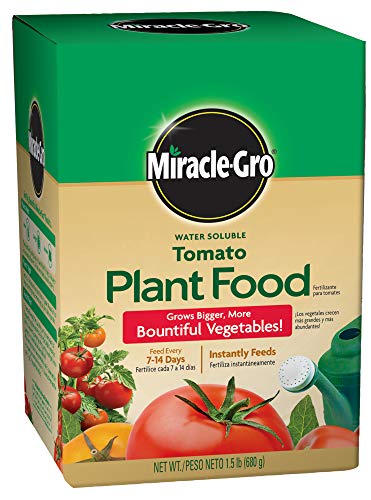
This water-soluble formula feeds quickly to promote bigger, more bountiful vegetables compared with unfed plants. It’s designed for frequent, light feedings—recommended every one to two weeks—making it a good choice for tomatoes and other vegetables grown in containers or garden beds. Instant uptake means faster results, though it may require more regular applications during peak growing periods.
Miracle-Gro Shake ‘N Feed Tomato, Fruit & Vegetable Plant Food (Outdoor In-Ground and Potted)

This variant nourishes outdoor potted or in-ground plants for up to three months while supporting above- and below-ground soil activity. It’s designed to strengthen plant walls with calcium, helping to produce higher quality, longer-lasting fruits and vegetables and reducing common calcium-related disorders. The product emphasizes a soil-friendly formula that supports sustained nutrient availability in busy garden systems.
Jobe’s Organics Granular Garden Fertilizer

Jobe’s Organics Granular Garden Fertilizer provides 4 pounds of organic-grade vegetable and tomato fertilizer granules. Formulated with an NPK profile of 2-5-3, it supports vegetables and tomatoes with steady, plant-safe nourishment while minimizing runoff and odors. As an OMRI-listed product, it is suitable for certified organic gardens and emphasizes soil-building ingredients that help with root growth and overall vigor.
Cz Garden Supply 5-10-10 Tomato & Vegetable Fertilizer

Cz Garden Supply 5-10-10 is a premium all-purpose fertilizer designed for flowers, lawn, and garden vegetables. This slow-release formula delivers a steady stream of nutrients to support vigorous growth and larger blooms while reducing the risk of fertilizer burn. It’s suitable for a wide range of garden settings, including tomato and pepper beds, and helps maintain soil health through controlled nutrient release.
Buying Guide
Key considerations when selecting fertilizer for tomatoes and peppers include nutrient balance, release type, and application method. Below are perspectives to help you compare products and choose the best fit for your garden.
- NPK Ratio and Secondary Nutrients: For tomato and pepper success, look for balanced blends with adequate nitrogen early, then higher phosphorus and potassium during fruit development. Some blends also include micronutrients like calcium, magnesium, and trace minerals that reduce blossom end rot and improve fruit quality.
- Release Type: Granular, slow-release fertilizers feed over weeks or months and are convenient for beds and containers. Water-soluble or liquid formulas provide rapid uptake—great for addressing visible nutrient gaps or when soil conditions are poor.
- Organic vs. Synthetic: Organic options support soil biology and long-term health, though they may act more slowly. Synthetic blends offer precise nutrient content and faster results. For organic gardeners, OMRI-listed products provide reassurance about standards and certifications.
- Soil and Water Considerations: If you have heavy clay or poor drainage, choose gentle, slow-release formulas to minimize salt buildup. Containers often benefit from regular, light feeding with water-soluble formulas to maintain steady nutrient availability.
- Application Method: Consider ease of use—granular sticks with watering, sprayers for liquids, or dedicated feeder systems. The right method reduces waste and ensures even distribution to roots.
- Plant Stage and Goals: If you prioritize fruit size and color, seek formulations that emphasize calcium and potassium. If root development is the focus, look for products with organics or kelp-based ingredients that support root vigor.
Overall, choosing a fertilizer for tomatoes and peppers involves matching your garden style with nutrient needs and application preferences. The products above offer a spectrum—from fast-acting liquids to long-lasting organics—so you can tailor feeding plans to seasonal needs and plant growth stages. Always follow label directions and monitor plant health to adjust feeding frequency as the season progresses.