Thrips are tiny pests that can damage leaves, buds, and flowers. Natural enemies offer an effective, eco-friendly way to reduce thrips populations without harsh chemicals. This article highlights five reliable beneficial insects and related products that help manage thrips, along with practical usage tips and a buying guide to help you choose the right option for your garden.
Product Quick Reference
| Product | Brand | Type | Key Benefit |
|---|---|---|---|
| Pre-Fed Live Ladybugs for Aphid Control | Generic | Ladybugs | General pest predators including thrips |
| Bug Sales Beneficial Nematodes Hb & Sc – 25 Million | Bug Sales | Nematodes | Soil-dwelling pest control, broad reach |
| Bug Sales Live Beneficial Nematodes HB+SC (500 Million) | NaturesGoodGuys | Nematodes | Large-volume nematode solution, easy to apply |
| NaturesGoodGuys Orius insidiosis | NaturesGoodGuys | Minute Pirate Bugs | Predates thrips across life stages |
Pre-Fed Live Ladybugs for Aphid Control
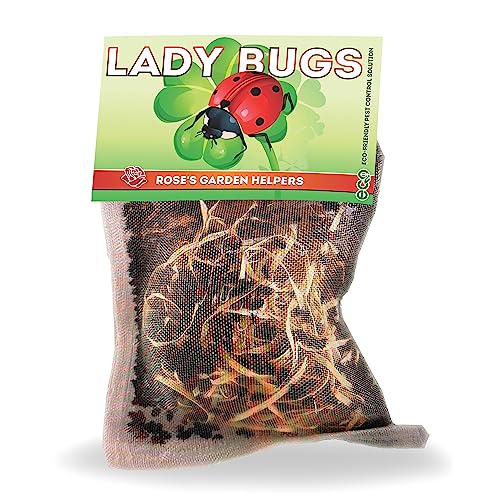
These ladybugs help maintain garden health by naturally managing common pests. They arrive pre-fed and ready to release, simplifying the process for home gardeners. Ladybugs are general predators that feed on a variety of slow-moving insects, including aphids, mites, thrips, whiteflies, and more. The order includes step-by-step usage guidance on how to release and store them for maximum benefit.
Bug Sales Beneficial Nematodes Hb & Sc – 25 Million

These nematodes offer soil-based pest control, expanding reach to root zones and litter layers. The package includes 25 million live nematodes with a release rate suitable for up to 10,000 sq ft of garden, lawn, or soil. They can be used around animals, pets, and plants when applied as directed, providing a natural solution to thrips and other soil-dwelling pests.
Bug Sales Live Beneficial Nematodes HB+SC (500 Million)

This large-volume nematode product provides a broad-spectrum, easy-to-apply solution for pest suppression. The nematodes are marketed as live and guaranteed fresh and alive, helping ensure effective establishment in the soil and root zones to target a variety of pests, including thrips.
NaturesGoodGuys 1,000 Orius Insidiosis
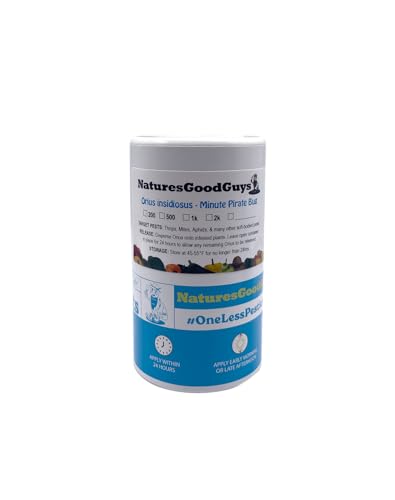
Orius insidiosis, or Minute Pirate Bugs, are general predators that attack thrips at all life stages. They also feed on other pests like aphids, whiteflies, and mealybugs. Suitable for both indoor and outdoor use, these beneficials help reduce thrips populations while diversifying pest control strategies in the garden.
Buying Guide: Key Considerations for Beneficial Insects Against Thrips
When selecting beneficial insects to combat thrips, consider pest pressure, release timing, and the growing environment. Each option offers unique strengths and limitations, so a combined approach often yields the best results.
Target pest profile: Thrips are small and mobile; predators that can reach flowers and leaf undersides are essential. Ladybugs help with broader sucking and chewing pests, but nematodes target soil-dwelling stages and other life cycle points. Minute Pirate Bugs excel at thrips adults and nymphs on foliage.
Environment and setup: Some beneficials thrive indoors, others outdoors, and some perform best in soil ecosystems. Indoor setups may benefit from Orius insidiosis and container releases, while outdoor gardens benefit from nematodes and ladybugs released during peak pest activity.
Storage and release: Follow product-specific guidelines for storage temperatures and release windows. Pre-fed ladybugs simplify timing, whereas nematodes require moisture and proper timing to maximize establishment in soil.
Compatibility and safety: Beneficial insects are generally safe for humans, pets, and garden ecosystems. Check any local restrictions or ecological considerations, especially for released insects in sensitive habitats.
Release strategy: A staggered release schedule can help maintain pest pressure reduction over time. Combining predators with soil-dwelling nematodes provides multi-layered control, addressing both surface and subterranean pest life stages.
Cost and scale: For larger operations, high-volume nematode products may be more cost-effective per square foot. For smaller needs, a few packages of ladybugs and Orius can deliver substantial thrip suppression without large upfront investments.