Amaranth seeds offer a blend of ornamental beauty and culinary versatility. This guide highlights five standout amaranth varieties ideal for American gardeners, covering tall plumes, edible greens, and striking color combinations. Each pick is suitable for outdoor beds, borders, or edible landscapes, with notes on growth, germination, and care to help you plan a thriving amaranth patch.
Summary of Selected Products
| Product | Brand | Key Benefit | Target Use |
|---|---|---|---|
| Sow Right Seeds Collection | Sow Right Seeds | Three colors (Green Garnet, Red Garnet, Bronze) with ornamental and edible value | Garden beds, cut flowers, grain reuse |
| Red Garnet Amaranth Seeds | Sow Right Seeds | Vibrant magenta foliage and seeds | Ornamental & greens |
| Organic Amaranth Seeds Variety Pack | SWEET YARDS | Three distinct varieties in one pack | Colorful borders, culinary use |
| Bronze Amaranth Seeds | Sow Right Seeds | Bronze plumes with tall growth | Bouquets and landscapes |
| Red Amaranth Seed (Survival Garden) | SURVIVAL GARDEN SEEDS | Giant burgundy plants, edible greens and grain | Statement borders, edible harvest |
Sow Right Seeds Collection Of Amaranth Seeds For Planting

The Sow Right Seeds collection includes Green Garnet, Red Garnet, and Bronze amaranth varieties. These large, premium seed packets offer both ornamental appeal and edible potential. Plants can reach 6 feet or more, delivering striking foliage, tall flower plumes, and usable leaves and grains. The seeds are described as non-GMO heirloom, with guidance for home gardens and container-friendly setups. Ideal for gardeners seeking a dramatic, multi-colored display with culinary options.
Growth notes emphasize a 14- to 21-day germination window at soil temperatures between 65–75°F. Plant spacing is 6–12 inches with full sun, and seed heads typically mature in 50–60 days. This mix is suitable for USDA zones 5–12, and the leaves are edible; flowers can feed wildlife or be harvested as grain. Use in bouquets or as a vibrant backdrop for vegetable gardens.
Red Garnet Amaranth Seeds For Planting
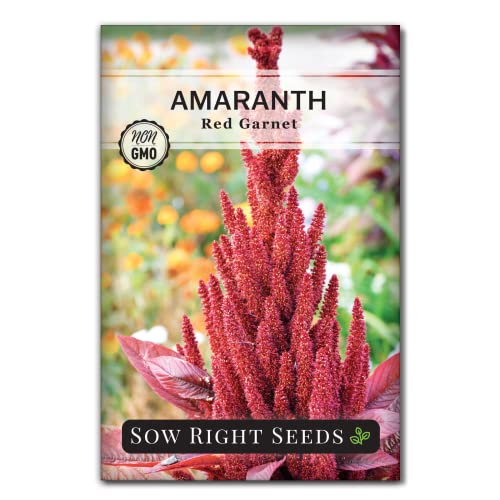
Red Garnet Amaranth is a vivid, trailing variety capable of reaching around 6 feet in height. The magenta flower heads and edible leaves offer both beauty and culinary potential. The seed packet provides standard germination guidance: sow 1/8 inch deep, space 6–12 inches apart, and grow in full sun. Maturity emerges in a 50–60 day window, with plants well-suited for zones 5–12. This variety is noted for its striking color in borders and beds, plus the option to harvest greens or grains.
Beyond ornament, the leaves and seed heads deliver edible greens with a range of culinary uses. The seed heads can be harvested for grain or left on the plant to feed birds, creating a wildlife-friendly garden dynamic. The trailing habit adds versatility for front borders, mixed borders, and ornamental accents in outdoor spaces.
Organic Amaranth Seeds Variety Pack

This Organic Amaranth Seeds Variety Pack from SWEET YARDS bundles three distinct types: Burgundy Amaranth, Hopi Red Dye Amaranth, and Red Garnet Amaranth. The assortment is designed to add a kaleidoscope of color to beds and borders while delivering potential culinary harvests. The seeds are labeled Non-GMO and Certified Organic, with an emphasis on freshness and high germination. It’s a versatile option for gardeners seeking year-round color and edible leaves or grains.
Germination typically occurs within 14–21 days in suitable warm soil. Plants reach substantial height, often 6 feet or more, with a 1–2 foot spread. The trio supports varied color patterns in garden designs and invites opportunities for use in salads, greens, or breadcrumbs for creative cooking. It’s also a practical choice for educational plots where color and seed diversity aid visual learning.
Bronze Amaranth Seeds For Planting

Bronze Amaranth brings a tall, upright habit with bronze-chestnut plume color. This variety is prized for its dramatic architectural presence in borders and cut-flower arrangements. The seeds are described as non-GMO heirloom and suitable for planting in outdoor home gardens. Germination falls within the standard 14–21 days range when soil temperatures are warm enough. Space plants 6–12 inches apart in full sun, with mature seed heads typically visible after 50–60 days.
As with other amaranths, Bronze Amaranth yields edible leaves and seeds, supporting a broad range of culinary uses. Its striking coloration also makes it a focal point in mixed flower beds or edible landscapes, providing texture and height across seasons. Gardeners should account for its potential to reach up to 6 feet tall and plan staking or spacing accordingly.
Red Amaranth Seed For Planting (Survival Garden Seeds)

Survival Garden Seeds offers a Red Amaranth seed packet featuring giant burgundy flowering plants. The plant is described as attractive and edible, reaching up to 6 feet tall, with dual value for decorative borders and harvestable grain or greens. The seeds support both culinary and ornamental goals, providing edible greens along with seed heads that can be harvested for grain. The collection notes include guidance for future planting and seed-saving practices to extend harvest cycles across seasons.
Growth and care align with standard amaranth practices: germination in about 14–21 days, full sun, and spacing of 6–12 inches. This variety is well-suited for gardeners seeking bold vertical accents and a reliable edible option. It also pairs well with pollinator-friendly plantings, as amaranth can attract beneficial insects to the garden ecosystem.
Buying Guide: Key Purchase Considerations
- Growth habit and space: Amaranth varieties range from compact forms to tall, plume-producing plants. Choose a height that matches your garden layout and whether you want borders, focal points, or edible greens.
- Color and uses: Decide if you want striking foliage and flowers for ornament, edible leaves, or grain seeds. Multi-packet sets offer color variety and culinary flexibility.
- Germination and climate: Look for seeds with clear germination windows (typically 14–21 days) and suitability for zones 5–12. Ensure your planting season aligns with warm soil temperatures (65–75°F).
- Non-GMO and organic options: If you prefer organic or non-GMO seeds, verify labeling and certifications on the seed packets or product pages.
- Care and maintenance: Amaranth generally needs full sun and regular watering. Plan for staking in taller varieties and consider companion plantings to maximize garden aesthetics.
- Culinary potential: Leaves can be eaten raw or cooked; grains can be harvested when seed heads mature. Some varieties support wildlife feeding, adding a garden ecology benefit.
- Seed savings: For gardeners who want long-term supply, select varieties with predictable seed production and reasonable storage viability for future seasons.
Additional Perspectives
- Ornamental-focused gardeners may prioritize bronze and red plumes to create dramatic color blocks in borders, while edible gardeners should weigh leaf and grain yields for culinary plans.
- Wildlife considerations: Some amaranth seed heads attract birds and pollinators, blending ornamental goals with ecological benefits.
- Seasonal planning: Amaranth is warm-season and typically grown after frost-free periods. Consider succession planting for extended color and harvest windows.