Geogrid fabrics provide crucial reinforcement for retaining walls, driveways, and slopes by distributing loads and reducing settlement. The following selections represent a mix of fiberglass and polypropylene geogrids designed for durability, ease of installation, and long-term performance. Use this guide to compare sizing, tensile strength, and material properties to match your project needs.
| Brand | Product / Size | Tensile Strength | Material | Use Case |
|---|---|---|---|---|
| Yeaborn | 4′ x 98′ (1.22m x 30m) | 50 KN | Fiberglass | Universal wall and slope reinforcement |
| KFURNIKN | 3′ x 164′ (0.91m x 50m) | Noted: 0.8 × 0.8 inch mesh; stabilization claims | Polypropylene | Driveways and retaining walls |
| ZechJinghool | 3′ x 50′ (0.91m x 15m) | Noted: 0.8 inch mesh edge | Polypropylene | Garden paths, decks, driveways |
| FULEIYA | 3′ x 65′ (0.91m x 20m) | Up to 30 KN | Fiberglass | Retaining walls and slopes |
| Kerty | 3.84′ x 164′ (1.17m x 50m) | 50 KN | Fiberglass | Driveways, roads, walls |
Note: Always follow manufacturer guidelines for installation, stretch limits, and connection methods. The best geogrid choice depends on soil type, wall height, climate, and maintenance expectations.
Yeaborn Universal Retaining Wall Geogrid

Yeaborn offers a fiberglass geogrid roll sized 4′ by 98′ with a tensile strength of 50 KN. This product is designed for bottom-layer reinforcement of roads and walls to enhance ground stability and create a durable, long-lasting landscape surface. The fiberglass construction provides high tensile strength, heat resistance, and corrosion resistance, helping to disperse loads and improve bearing capacity. The roll format supports large projects and reduces the need for seams, contributing to a smoother wall finish.
Key considerations: fiberglass geogrids like this deliver excellent strength in both longitudinal and transverse directions, which helps prevent settlement and cracking. Installation typically involves laying over prepared subgrade, extending PRR (permanent reinforcement layer) coverage, and backfilling with suitable material. The 392 square foot coverage offers substantial reach for mid-size walls, while the 50 KN rating indicates robust performance under heavy loads.
KFURNIKN Bi-Directional Geogrid

KFURNIKN’s bi-directional geogrid is manufactured from high-quality polypropylene and emphasizes UV and chemical resistance. It features a mesh of 0.8 x 0.8 inches and an aperture stability of 0.32m-N/deg, ensuring even load distribution and stability for both driveways and retaining walls. The material is flexible enough to be cut to required shapes, allowing for custom configurations on complex wall layouts. The product is suitable for projects where long-term stability and resistance to environmental factors are critical.
Considerations: polypropylene geogrids provide good chemical and UV resistance but may require careful handling during cutting and alignment to maintain uniform tension. The described aperture and mesh imply reliable reinforcement without excessive deformation, making this a versatile option for varied wall heights and slope reinforcements.
ZechJinghool Wall Geogrid 3ft x 50ft

The ZechJinghool geogrid line offers a 3 ft by 50 ft roll with a bidirectional design using bidirectional polypropylene. It emphasizes deformation resistance, oxidation resistance, and aging resilience. The product is positioned for reinforcing garden paths, decks, driveways, and walls, with a design that emphasizes a small mesh edge length for a compact grid system. While not intended for structural load-bearing in all cases, it provides durable stabilization for a variety of landscape applications and can be a practical option for mid-size projects.
Considerations: ensure local building requirements permit non-load-bearing reinforcement usage where applicable. The product’s smaller mesh edge supports even distribution across surfaces but verify compatibility with wall height and soil type before deployment.
FULEIYA Bi-Directional Retaining Wall Geogrid
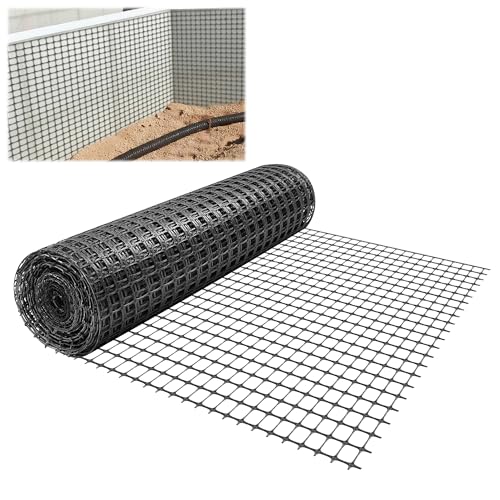
FULEIYA’s bi-directional geogrid focuses on retaining wall support with a tensile capability up to 30 KN. Constructed from high-strength fiberglass, it offers corrosion and aging resistance, as well as high-temperature tolerance. The product is designed to be cut to size and installed as a reinforcement layer beneath walls to distribute stresses, reduce settlement, and improve wall longevity. The design emphasizes robust performance in demanding environments while maintaining flexibility for field adjustments.
Considerations: confirm whether 30 KN is sufficient for your wall height and soil condition. If higher loads are anticipated, larger tensile strength options should be considered. Proper heat treatment is sometimes recommended if stretching is required beyond initial installation limits.
Kerty Universal Fiberglass Geogrid

The Kerty geogrid roll measures 3.84 ft by 164 ft, covering approximately 656 square feet and delivering a 50 KN tensile strength. Its fiberglass construction provides strong bidirectional reinforcement for asphalt, soil, or concrete interfaces, helping to prevent cracking, rutting, and ground movement. This product is designed for use under driveways, roads, and retaining walls, offering a high-coverage option suitable for large-scale projects. Its robust coating enhances durability and resistance to environmental stressors.
Considerations: large-area projects benefit from high coverage, but ensure compatibility with local codes and project specifications. Fiberglass geogrids often require careful handling to avoid damage during unrolling and placement. Verify installation guidelines for connections with adjacent materials and backfill requirements.
Buying Guide: Key Considerations For Selecting Geogrid Fabric
- Material and durability: Fiberglass geogrids offer high tensile strength and thermal resistance, while polypropylene geogrids excel in chemical resistance and UV stability. Choose based on soil conditions, climate, and project height.
- Tensile strength and load distribution: Higher tensile values provide stronger reinforcement, but installation must align with wall height, backfill, and anticipated loads. Consider both long-axis and short-axis performance for balanced stabilization.
- Mesh size and edge design: Smaller mesh openings provide finer distribution and control, while larger openings can speed installation and improve drainage. Ensure mesh design matches backfill density and compaction methods.
- Thickness and installation: Thicker geogrids can resist puncture and deformation but may require specialized handling. Follow manufacturer instructions for tensioning limits, heating for stretching, and seam integration where applicable.
- Installation environment: For projects exposed to chemicals, moisture, or wide temperature fluctuations, select materials with proven resistance to those conditions. UV resistance is important for exposed surface installations.
- Project scale and coverage: Larger rolls reduce seams and labor but require more space for storage and handling. Match roll size to wall length and anticipated backfill to optimize installation time.
- Code and warranty considerations: Verify local building codes and warranty terms. Some projects may require engineered designs or certifications for structural reinforcement.
In summary, selecting the best geogrid fabric for a retaining wall depends on material choice, tensile strength, installation practicality, and environmental conditions. The featured products provide a range of options—from fiberglass heavy-duty rolls to versatile polypropylene grids—enabling builders to tailor reinforcement to project requirements while maintaining long-term durability and stability.